 After an exciting and memorable drive up the Portuguese coast from Faro, we finally arrived in Porto, a city we had long looked forward to experiencing. The journey north had taken us through dramatic cliffs, peaceful lagoons, historic fishing towns, and sunlit beaches—but Porto promised something entirely different: a layered, atmospheric city where Portuguese history, culture, and tradition flow as deeply as the river that shaped it.
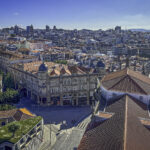
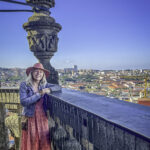
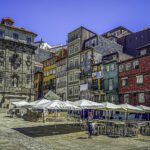
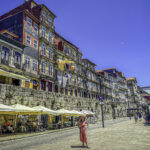
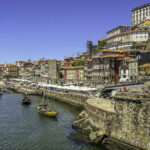
Porto, perched along the steep granite banks of the Douro River, is one of Portugal’s oldest and most character-filled cities. With origins rooted in Roman settlement, the city grew into a powerful medieval trading hub whose merchants played a crucial role in shaping the early Portuguese kingdom. Its historic Ribeira district—now a UNESCO World Heritage Site—is a captivating maze of narrow alleyways, stacked colorful houses, ancient stone staircases, and riverside squares that still pulse with the rhythms of maritime life.
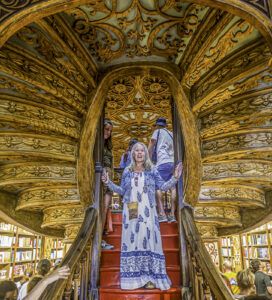
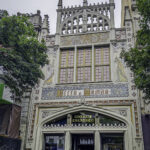
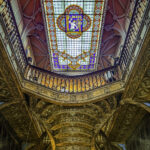
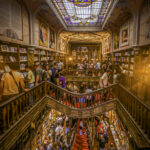
The city’s cultural and artistic heritage is equally rich. One of its most beloved landmarks is the Livraria Lello, often regarded as one of the most beautiful bookstores in the world. With its dramatic neo-Gothic façade, stained-glass skylight, sweeping red staircase, and carved wooden details, it feels less like a shop and more like a cathedral of literature. Its magical interior has inspired authors and captivated travelers for over a century.
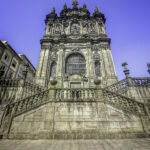
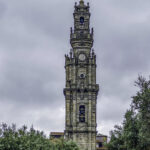
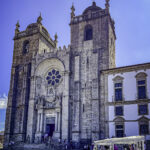
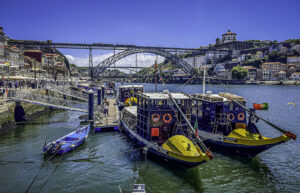 short distance away rises the
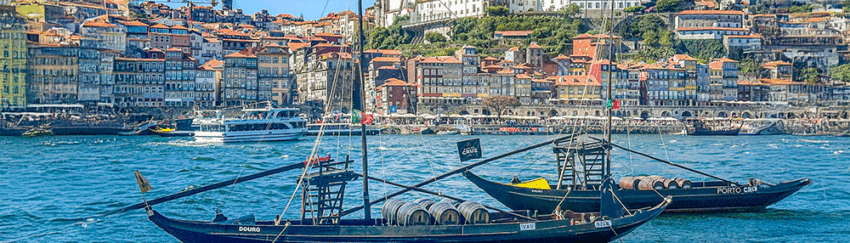
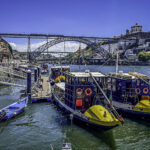
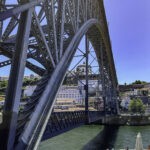
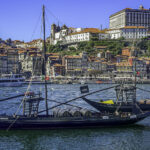
 No understanding of Porto is complete without the Douro River, the lifeline that shaped its history. For centuries, flat-bottomed rabelo boats transported barrels of wine downriver from the terraced vineyards of the Douro Valley to the aging cellars of Vila Nova de Gaia. The river served as a major trade artery, linking inland Portugal with the sea and fueling the expansion of Porto’s wine industry, maritime commerce, and cultural identity. The iconic Dom Luís I Bridge, with its sweeping iron arch designed by a student of Gustave Eiffel, symbolizes this enduring relationship between the city and its river.
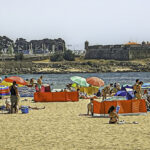
One day, we set aside our sightseeing and simply relaxed at Praia de Matosinhos, Porto’s broad, sandy urban beach. With gentle waves, plenty of sunshine, and the rhythmic sound of the Atlantic surf, it was the perfect place to unwind. We spent the afternoon soaking up the sun, watching surfers glide across the water, and enjoying the easygoing coastal atmosphere that makes Matosinhos a favorite retreat for both locals and travelers. Click on thumbnail to view images



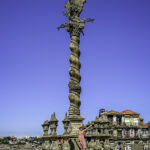
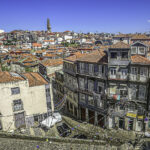
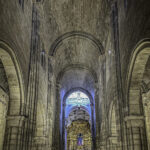
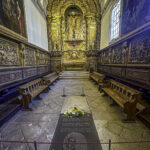
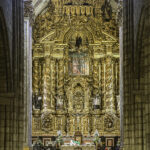
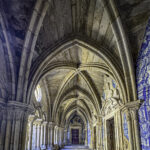
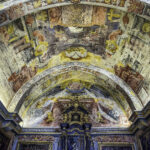
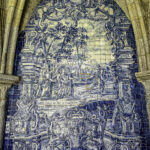
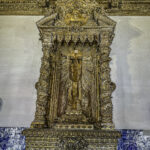
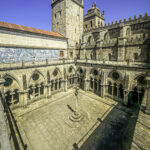
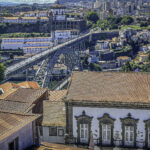

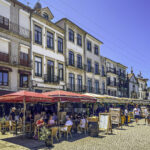
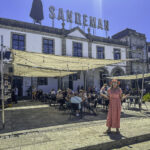
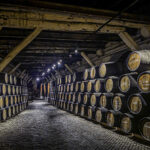
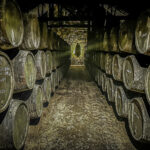
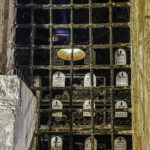
One of the highlights was a visit to Vila Nova de Gaia, located just across the Douro River from Porto, is the historic heart of Portugal’s Port wine trade. For centuries, Gaia has been the place where 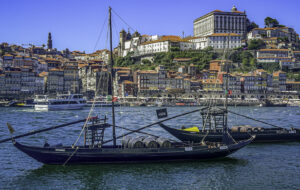 wine from the Douro Valley was brought for aging, storage, and export. Its sloping riverbank is lined with the traditional lodges of famous Port houses, creating one of the most iconic waterfronts in Portugal.
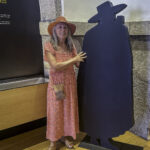
Together, Vila Nova de Gaia and the Sandeman cellars reflect the deep maritime and commercial heritage of the Douro region. With its atmospheric warehouses, great riverside dining, river views, and enduring wine culture, Gaia remains an essential counterpart to Porto and a living testament to Portugal’s historic wine trade. Click on thumbnail to view images





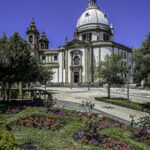
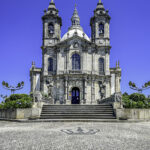
One day, we took a side trip into the hills above Braga in northern Portugal to explore Sameiro and Bom Jesus do Monte, together forming one of the country’s most important and evocative spiritual landscapes. Rising above the city, these sanctuaries have long drawn pilgrims, artists, and travelers seeking both religious meaning and 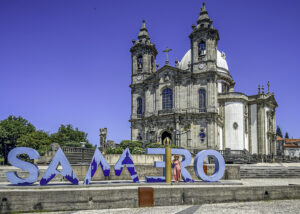 breathtaking views of the surrounding countryside.
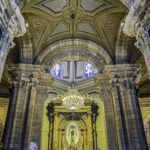
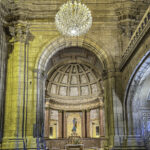
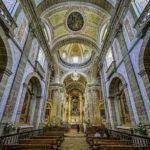
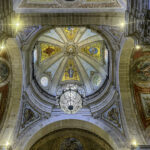
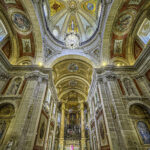
The Sanctuary of Our Lady of Sameiro, built in the 19th century, is one of Portugal’s most significant Marian pilgrimage sites. Crowned by a grand neoclassical basilica, the sanctuary stands prominently atop a wooded hill overlooking Braga and the rolling green terrain of the Minho region. The basilica’s elegant dome and symmetrical design reflect the architectural tastes of the period, while its serene interior offers a quiet space for reflection. The surrounding 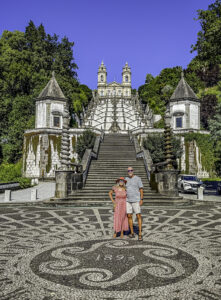 grounds are equally impressive, with peaceful avenues, chapels, statues, and devotional monuments that invite slow walks and contemplation amid sweeping panoramic views.
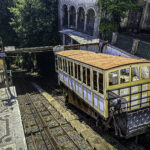
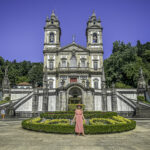
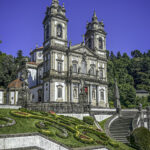
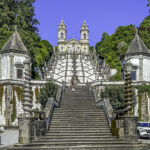
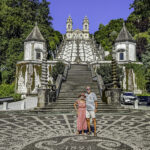
Nearby, the Sanctuary of Bom Jesus do Monte is among Portugal’s most iconic religious monuments and a masterpiece of sacred landscape design. It is best known for its monumental Baroque staircase, a dramatic zigzagging ascent that climbs the hillside in a series of symbolic terraces. Each level is lined with fountains, allegorical sculptures, and richly decorated chapels representing the Stations of the Cross, encouraging pilgrims to reflect both spiritually and physically as they ascend. At the summit stands the elegant church of Bom Jesus, surrounded by manicured gardens, shaded pathways, and scenic viewpoints. Adding to the site’s uniqueness is the world’s oldest water-powered funicular, still in operation, which offers a charming alternative route to the top and serves as a living reminder of 19th-century engineering ingenuity.
Together, Sameiro and Bom Jesus reflect centuries of Portuguese faith, artistry, and pilgrimage tradition. Their hilltop settings, architectural beauty, and atmosphere of devotion make them two of northern Portugal’s most meaningful and visually striking sacred sites. What a wonderful way to end our journey of discovery through Portugal. Click on thumbnail to view images