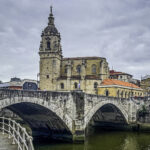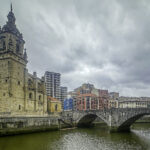
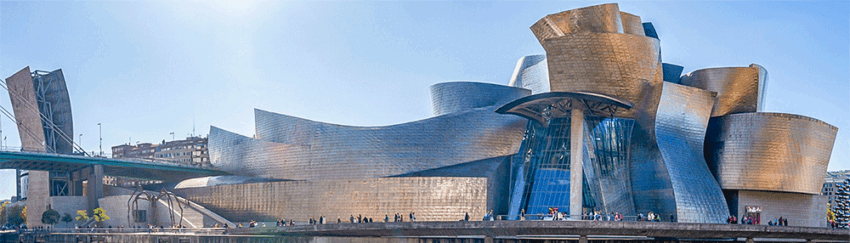

Our journey through Spain’s northern coast, would take us from Vigo in Galicia through Bilbao in the Basque Country to San Sebastián, is defined by rugged Atlantic landscapes, deep maritime traditions, and some of the Iberian Peninsula’s most distinctive regional cultures.
In Galicia, the coast around Vigo reflects strong Celtic and seafaring roots. Once a small fishing village, Vigo grew into a major Atlantic port shaped by shipbuilding, seafood, and the sheltered waters near the Cíes Islands. Stone villages, traditional music, and ocean-based cuisine reveal a culture deeply tied to the sea.
Farther east, the Asturian coast becomes increasingly dramatic, with green mountains dropping sharply into the Atlantic. Fishing towns and Romanesque churches dot the shoreline, highlighting centuries of resilience and maritime life. Crossing into the Basque Country, a strong regional identity emerges, marked by a unique language, culinary excellence, and mountain and coastal traditions.
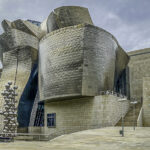
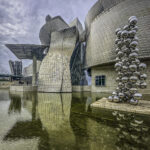
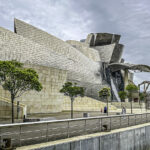
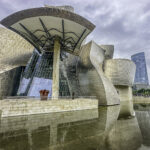
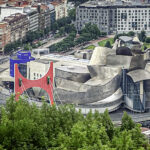
Here, Bilbao stands out as a former industrial port transformed into a modern cultural center, symbolized by the Guggenheim Museum, while still preserving its Basque heritage. The journey concludes in San Sebastián, an elegant seaside city known for its sweeping bay, refined architecture, and world-renowned food culture—an ideal expression of the region’s blend of tradition and modern life.
Our first Stop was the coastal city of Vigo, the largest city in Galicia, sits on the edge of a deep Atlantic estuary known as the Ría de Vigo, a natural harbor that has shaped its history for centuries. Founded as a small fishing settlement, Vigo grew through Roman times and later became a fortified coastal town, repeatedly defending itself against pirate raids and foreign fleets. Its strategic position made it an important naval and commercial port, especially from the 18th century onward.
Culturally, Vigo is defined by its strong maritime identity. The city remains one of Europe’s major fishing ports, and its cuisine reflects this heritage with exceptional seafood, especially mussels and octopus sourced from the surrounding estuary. The historic Casco Vello, with its narrow streets and stone houses, contrasts with modern districts built during the city’s industrial expansion.
Today, Vigo stands as a dynamic Atlantic city—rooted in fishing, shaped by seafaring history, and enriched by the distinctive culture and traditions of Galicia. Click on thumbnail to view images




Our next stop was Gijón, on the Asturian coast, traces its roots to Roman times and grew into a thriving port surrounded by rugged cliffs and green hills. Its old quarter, Cimavilla, stands on 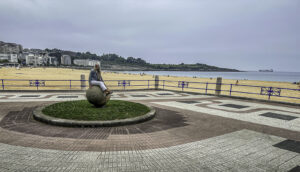 a headland overlooking the sea, reflecting the city’s long history of fishing, shipbuilding, and maritime commerce. Modern Gijón blends beaches, promenades, and cultural institutions with the proud Celtic heritage that defines Asturias.
Continuing east along the coast lies Santander, the elegant capital of Cantabria and its beautiful beaches and parks. Built around a broad natural bay, Santander flourished as a trading port and later as a favored summer retreat of Spanish royalty. Its mix of stately waterfront buildings, sandy beaches, and the historic Magdalena Peninsula gives the city a refined seaside character, shaped equally by commerce and leisure.
Further east, in the Basque Country, San Sebastián (Donostia) unfolds around two crescent-shaped bays framed by green hills. Known for its Belle Époque architecture and one of the world’s most celebrated culinary scenes, the city combines Basque cultural traditions with a deep connection to the sea. Its historic old town, pintxo bars, and graceful promenades reflect a long history of maritime trade and coastal living. Click on thumbnail to view images
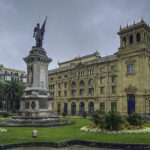
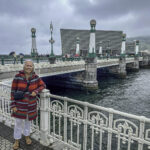
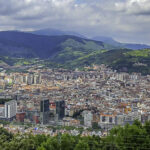
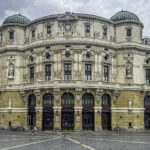
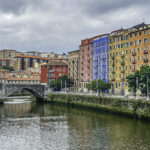
We spent several days in Bilbao, the cultural and economic heart of Spain’s Basque Country, which has transformed dramatically from its industrial roots into one of Europe’s most dynamic modern 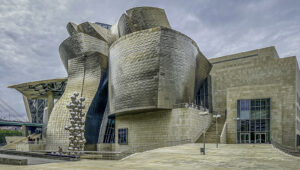 cities. Founded along the Nervión River in the 14th century, Bilbao grew through centuries of maritime trade, ironworks, and shipbuilding, becoming a powerhouse of northern Spain. We visited Caso Vijo or old quarter, which still reflects this heritage with narrow medieval streets, lively markets, and traditional Basque taverns.
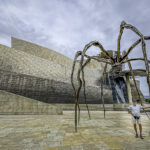
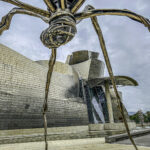
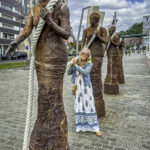
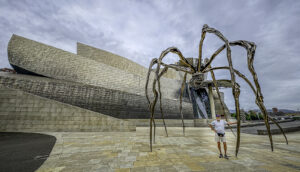 Inside, the museum’s vast and flexible galleries showcase an impressive collection of contemporary and modern art, allowing for large-scale installations that have attracted visitors from around the world. Works by leading international artists are complemented by spaces designed to challenge traditional museum experiences. Outside, the riverfront comes alive with monumental sculptures such as
 Together, Bilbao and the Guggenheim embody the blending of tradition and innovation—where proud Basque culture, industrial heritage, and cutting-edge design come together in one of Spain’s most compelling urban landscapes. Click on thumbnail to view images