 After a wonderful visit with our great friends Maggie and Gordon White, we picked up our rental car and set off on the next chapter of our journey—exploring the wild beauty of Northern Scotland. With rolling hills ahead of us and the unexpected thrill of driving on the left-hand side of the road, we embarked with equal parts excitement and curiosity. It promised to be a fun new challenge and the perfect beginning to our adventure through some of Scotland’s most dramatic landscapes.
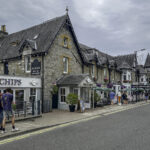
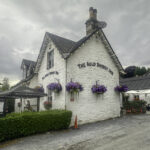
Our first stop was at Pitlochry, nestled in the heart of the Scottish Highlands, it is a charming town known for its Victorian heritage, forested hills, and the warm hospitality that has welcomed travelers for more than a century. The town rose to prominence in the late 19th century after a visit from Queen Victoria, whose admiration for the area helped transform Pitlochry into a fashionable Highland retreat. Its tidy streets, stone cottages, and peaceful surroundings still reflect this era of elegant tourism.
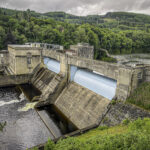
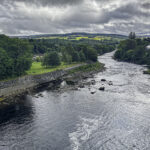
One of Pitlochry’s most distinctive features is its dam and hydroelectric system, constructed in the late 1940s as part of Scotland’s post-war push toward renewable energy. The Pitlochry Dam, built across the River Tummel, created Loch Faskally and became a model of mid-20th-century engineering. What makes the site especially notable is its fish ladder, an innovative solution that allows migrating Atlantic salmon to bypass the dam and continue upriver to their spawning grounds. Visitors can watch the salmon make their seasonal ascent through underwater viewing windows—a rare blend of engineering and natural wonder.
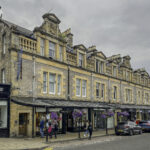
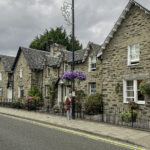
Our next stop on our driving tour was Inverness, often called the Capital of the Highlands, sits at the northeastern end of the Great Glen where the River Ness meets the Moray Firth. Its strategic position has made it a focal point of Highland life for centuries, with roots stretching back to Pictish settlements and early medieval fortifications. The modern city grew around Inverness Castle, which in various forms has guarded this important gateway to the north since the 11th century.
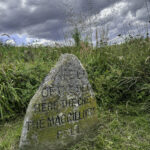
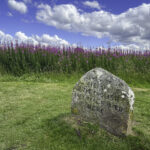
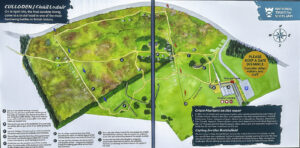 Just a few miles east of the city lies Culloden Moor, the site of the final and most decisive battle of the Jacobite Rising. On April 16, 1746, the Jacobite army—supporters of Charles Edward Stuart, “Bonnie Prince Charlie”—met government forces led by the Duke of Cumberland. The battle lasted less than an hour, but its consequences were profound. The Jacobites were crushed, bringing an abrupt end to their attempt to restore the Stuart monarchy.
Culloden’s significance extends far beyond the battlefield itself. In its aftermath, the British government enacted harsh measures aimed at dismantling Highland clan society. Traditional dress such as tartan was banned, weapons were confiscated, and the authority of clan chiefs was dismantled. This marked a turning point in Highland history, leading to cultural suppression, economic upheaval, and eventually the Highland Clearances, which reshaped the landscape and displaced many communities.
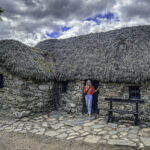
Today, Culloden Battlefield is preserved as a solemn memorial with an award-winning visitor center. Walking the moor, with its clan markers and windswept terrain, offers a powerful connection to a moment that changed the course of Scottish history.
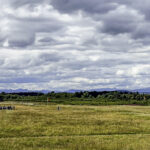
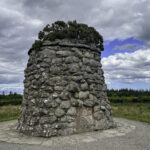
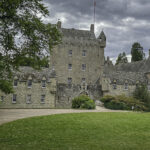
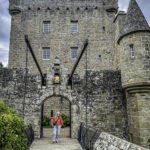
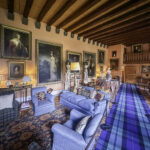
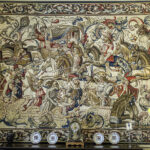
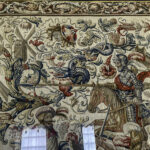
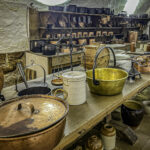
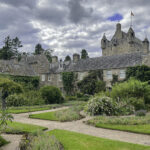
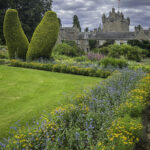
Another must see is Cawdor Castle, located just east of Inverness, is one of Scotland’s most enchanting and best-preserved historic homes. Though often linked with Shakespeare’s Macbeth, the castle has no direct connection to the real King Macbeth or the events in the play. Instead, its origins date to the late 14th century, when the impressive central tower 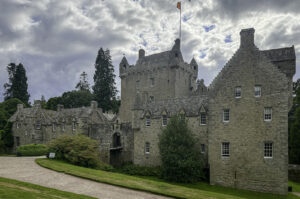 was built atop what legend claims was a thorn tree chosen by divine guidance. Remarkably, the remains of that tree still stand in the vaulted basement.
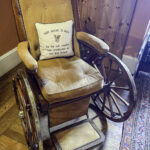
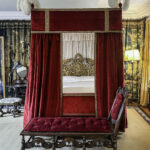
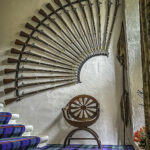
Over the centuries, the castle expanded into an elegant residence for the Thanes of Cawdor and later the Campbell family. Cawdor Castle is renowned for its beautifully furnished interiors, filled with tapestries, portraits, and period furniture that reflect centuries of Highland aristocratic life.
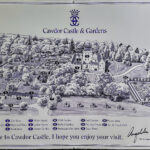
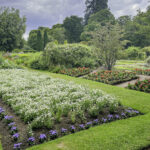
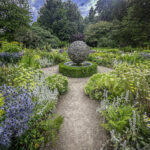
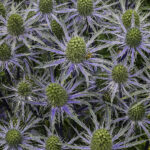
Surrounding the castle are some of Scotland’s finest historic gardens—formal, wild, and walled—set within peaceful woodlands that showcase the natural beauty of the region.
Blending medieval architecture, romantic legends, and a rich family history, Cawdor Castle offers a captivating glimpse into Highland heritage just beyond the bustle of Inverness.
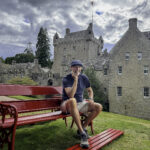
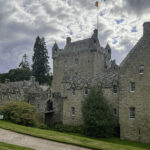

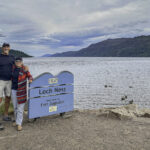
Leaving Inverness, we traveled west along the shores of Loch Ness, one of Scotland’s most famous and mysterious bodies of water on our way to Shiel Bridge our base camp for exploring the Isle of Skye.
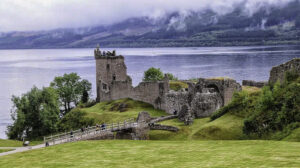
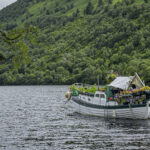
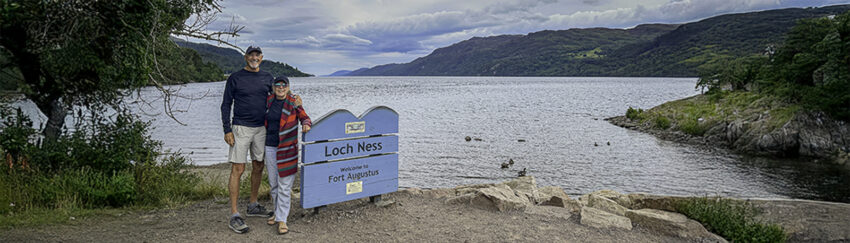
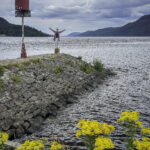
Stretching over 20 miles through the Great Glen, Loch Ness is remarkably deep—so deep, in fact, that it holds more freshwater than all the lakes in England and Wales combined. Its dark, peat-stained waters and steep surrounding hills have long inspired folklore, most famously the enduring legend of the Loch Ness Monster, a tale that continues to spark curiosity and charm visitors from around the world. Along its banks lie ancient ruins such as Urquhart Castle, which once guarded this strategic waterway.
At the southern tip of Loch Ness lies the village of Fort Augustus, a picturesque settlement that grew around a former military garrison established in the early 18th century. The original fort—one of a chain of government strongholds stretching 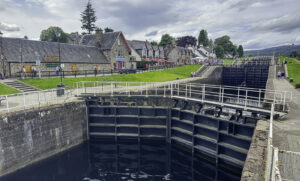 across the Highlands—was constructed in the aftermath of the Jacobite uprisings to help assert British control over the region and suppress further rebellion. Although little remains of the original military structure today, the village retains a strong sense of its past, with stone buildings, quiet streets, and a setting that blends historic character with classic Highland scenery.
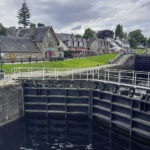
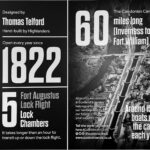
Fort Augustus also occupies an important position along the Caledonian Canal, the ambitious 19th-century engineering project designed by Thomas Telford to create a navigable route linking Scotland’s east and west coasts. The canal was built to provide a safer alternative to the treacherous journey around the northern coast and to stimulate economic development in the Highlands. In Fort Augustus, a dramatic series of locks steps down between Loch Ness and the canal’s inland waters, lifting and lowering boats through a carefully engineered sequence. Watching vessels slowly navigate this multi-level lock system—surrounded by hills, water, and historic buildings—has become one of the village’s signature experiences, offering a peaceful yet fascinating glimpse into Scotland’s industrial and maritime heritage.
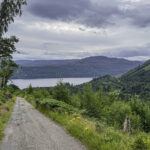
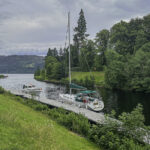

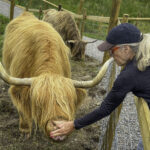
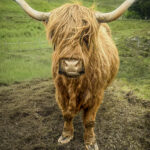
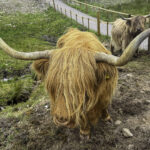
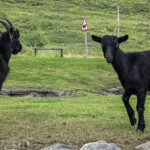
From Fort Augustus, we continued our journey west toward Shiel Bridge, where we would spend several days exploring the breathtaking landscapes of the 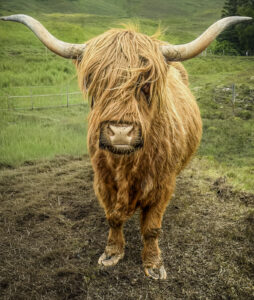 Isle of Skye. The drive carried us through some of the Highlands’ most beautiful scenery, and along the way we were treated to an up-close encounter with the famous Highland cows—one of Scotland’s oldest and most iconic breeds. With their long shaggy coats, sweeping horns, and gentle nature, these hardy animals have thrived in the Highlands for centuries, perfectly adapted to the region’s rugged climate and sparse grazing.
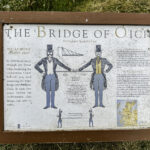
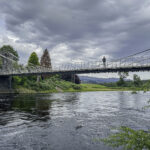
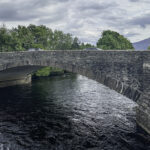
We also stopped at the graceful Bridge of Oich, an innovative single-span suspension bridge completed in 1854. Designed by engineer James Dredge after catastrophic floods swept away the earlier stone bridge, its unique tapered chain design was considered remarkably advanced for its time and remains a quiet testament to Victorian ingenuity.
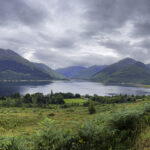
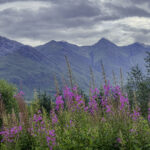
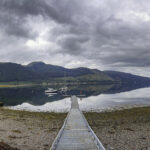
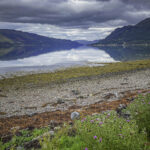
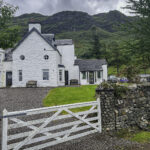
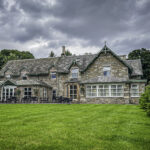
Continuing west, we arrived in Shiel Bridge, a small hamlet nestled at the foot of the magnificent Five Sisters of Kintail—a striking mountain ridge whose five peaks form one of the most recognizable silhouettes in the Highlands. Steeped in local legend, the Five Sisters are said to represent five daughters turned to stone while awaiting the return of their suitors. Today, the mountains attract hikers and photographers from around the world, framing Shiel Bridge with a dramatic and unmistakably Highland backdrop. We planned to stay several days and booked into the quaint and secluded Kintail Lodge Hotel which would be our base for exploring the Isle of Skye.