
 In 1413, the establishment of the




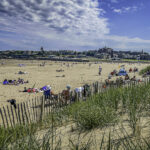


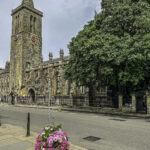
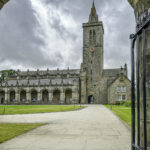
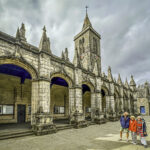
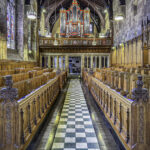
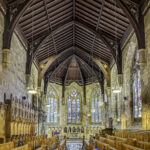
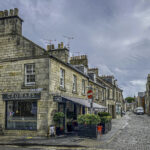
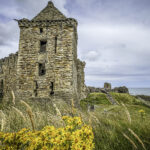

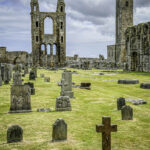
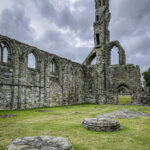
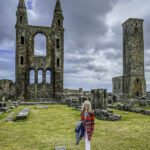

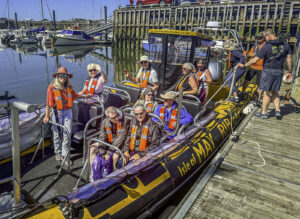 shaped by generations of fishermen and seafarers.




 In the 18th century, Edinburgh experienced a sweeping transformation during the Scottish Enlightenment. Philosophers, scientists, architects, and writers turned the city into one of Europe’s great intellectual centers. The elegant Georgian New Town, designed with broad avenues, neoclassical facades, and symmetrical squares, symbolized a new era of rational thought and urban planning. This bold expansion earned the city its famous nickname, “the Athens of the North.” The contrast between the tightly packed Old Town and the airy New Town remains a striking hallmark of Edinburgh and is recognized today as a UNESCO World Heritage Site.
Culturally, Edinburgh is a city shaped by scholarship, creativity, and tradition. It is home to world-renowned festivals, including the Edinburgh International Festival and the Fringe, the largest performing arts festival in the world. Scottish literature, from Robert Burns to Sir Walter Scott and Robert Louis Stevenson, finds deep roots here, as do long-standing customs reflected in music, storytelling, and the city’s historic pubs.
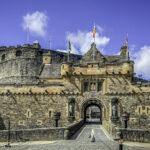
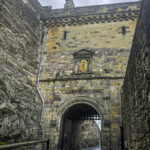
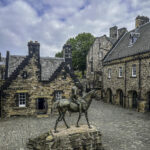
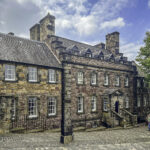
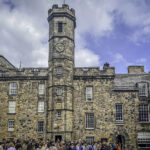
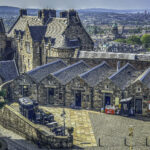
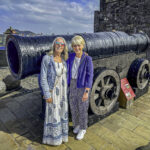
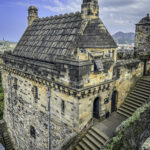
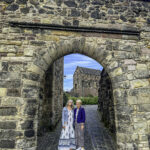
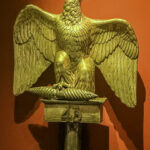
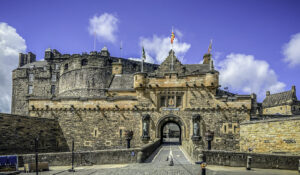 Edinburgh Castle, perched atop the volcanic crag of Castle Rock, is one of the most iconic and historically significant fortresses in Scotland. Its commanding position has made it a natural stronghold for over 3,000 years, with archaeological evidence showing human occupation long before recorded history. By the early Middle Ages, the site had become a royal residence, and from the reign of David I in the 12th century onward, it served as the principal fortress of Scottish kings and queens.
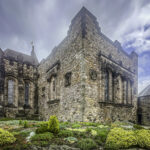
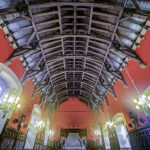
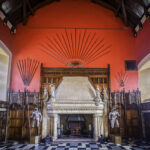
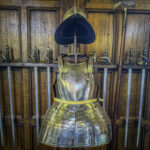
The castle has witnessed many defining moments in Scottish history. It endured repeated sieges during the Wars of Scottish Independence, served as a military garrison, and safeguarded the nation’s most treasured symbols, including the Honours of Scotland—the oldest crown jewels in the British Isles—and the Stone of Destiny, used for centuries in the coronation of Scottish monarchs. Structures within the castle walls, such as St. Margaret’s Chapel, the oldest surviving building in Edinburgh, and the Great Hall, reflect the layers of royal, military, and political life that once filled the fortress.


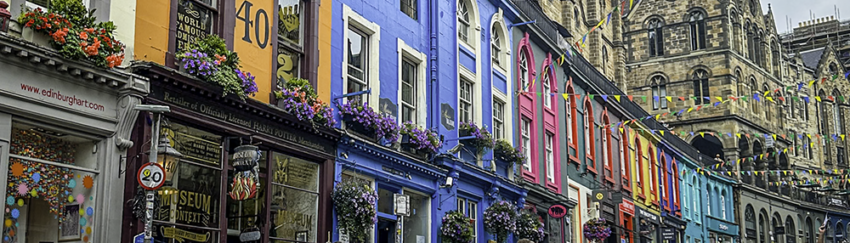
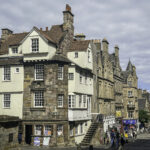
The Royal Mile, stretching from Edinburgh Castle to Holyrood Palace, is the historic heart of Edinburgh and one of the most atmospheric streets in Scotland. Lined with medieval tenements, narrow side alleys called closes, and centuries-old landmarks, it reflects the rich cultural and political life of the Old Town.
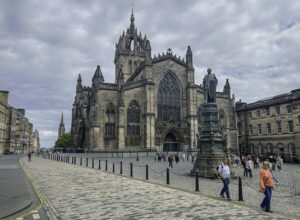
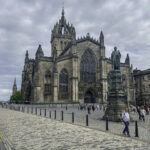
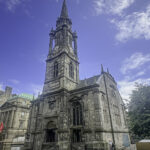
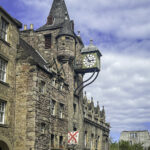
Just below Edinburgh Castle stands The Hub, a striking Victorian Gothic building crowned by the tallest spire in the city. Originally constructed as a church, it now serves as a vibrant festival and arts center, playing a central role during Edinburgh’s world-famous cultural festivals. As visitors continue down the Royal Mile, they soon arrive at St Giles’ Cathedral, the 14th-century High Kirk of Scotland and one of the most significant religious and historic landmarks in the country.
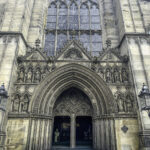
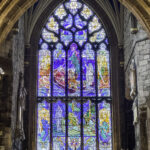
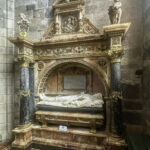
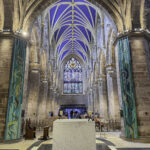
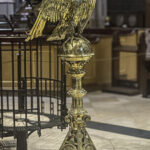
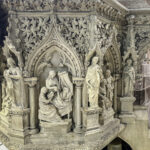
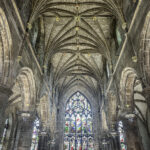
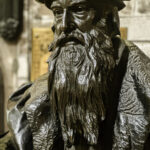
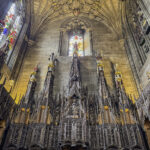
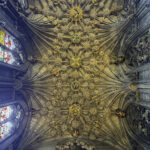
St Giles’ Cathedral has been at the heart of Scottish religious and civic life for centuries, closely associated with the Scottish Reformation and the preaching of John Knox in the 16th century. Its distinctive crown-shaped steeple is one of Edinburgh’s most recognizable symbols, rising above the Old Town skyline. Inside, the cathedral reveals a richly layered history through its chapels, memorials, and stained glass, most notably the exquisite Thistle Chapel, home to the Order of the Thistle, Scotland’s highest order of chivalry. Together, these elements make St Giles’ a powerful reflection of Scotland’s spiritual, political, and cultural heritage.
Nearby is The Scotch Whisky Experience, an engaging museum dedicated to Scotland’s national drink. Through 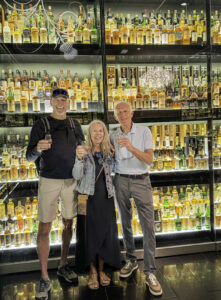 interactive exhibits and guided tastings, we learned about whisky-making traditions from across the Highlands, Lowlands, Islay, and Speyside. Our experience included a look at one of the world’s largest collections of Scotch whisky and offers tastings that highlight the distinct regional styles, making it a popular and informative stop along the Royal Mile.
Farther along, the street widens into the Lawnmarket and the High Street, home to traditional shops, historic buildings, and the Writers’ Museum, which celebrates Robert Burns, Sir Walter Scott, and Robert Louis Stevenson. The Royal Mile is also filled with hidden closes—such as Lady Stair’s Close and Real Mary King’s Close—that reveal layers of Edinburgh’s medieval past.
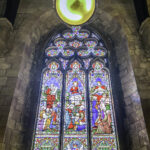
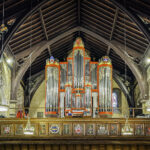
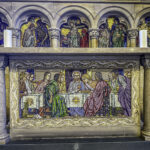
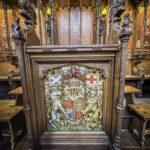
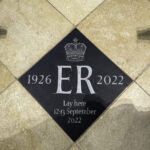
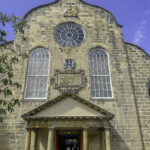
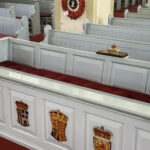
Canongate Kirk, located near the eastern end of Edinburgh’s Royal Mile, has served as the parish church of the Canongate since the late 17th century. Built in 1688, it has long been associated with Scotland’s royal and civic life due to its proximity to Holyrood Palace. Members of the royal family, including King Charles III when he was Prince of Wales, have worshiped here, reinforcing the kirk’s strong royal connection. Inside, the church features royal pews, historic regimental memorials, and simple yet dignified architecture, reflecting its enduring role as a place of worship closely tied to Scotland’s monarchy and national history.





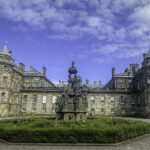
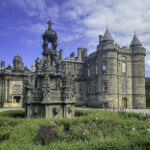
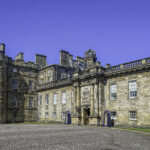
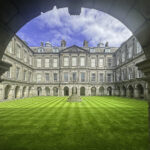
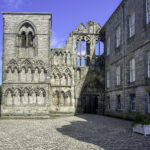
The bottom of the Royal Mile is anchored by Holyrood Palace, the official residence of the British monarch in Scotland and one of the most historically significant royal sites in the country. Originally established 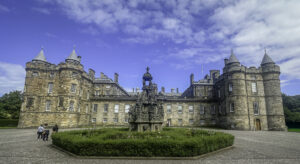 in the 12th century as an Augustinian abbey by King David I, the complex gradually evolved into a royal residence, with successive monarchs expanding its halls, towers, and ceremonial rooms. The palace’s elegant façade and spacious courtyard reflect centuries of royal architecture and political influence.
The palace is most famously associated with Mary, Queen of Scots, who resided here between 1561 and 1567. Her private apartments remain among the most atmospheric rooms in Scotland, and it was within these walls that key events of her tumultuous reign unfolded—including the dramatic murder of her secretary, David Rizzio, an incident that deepened political unrest and shaped the course of Scottish history.
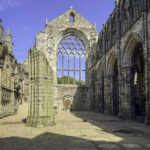
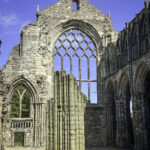
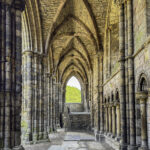
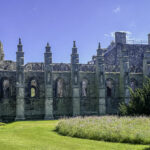
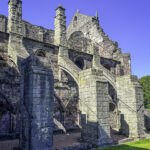
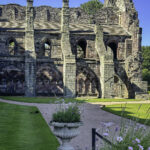
Adjacent to the palace stand the evocative ruins of Holyrood Abbey, once one of medieval Scotland’s most important religious centers and the site of royal coronations and weddings. Its broken arches and open sky offer a stark contrast to the polished interiors of the palace.
Today, Holyrood Palace serves as both a working royal residence and a place of national ceremony, hosting official events and state functions. Surrounded by manicured gardens and framed by the rugged cliffs of Arthur’s Seat, it forms a majestic gateway between Edinburgh’s urban history and the natural beauty of Holyrood Park.
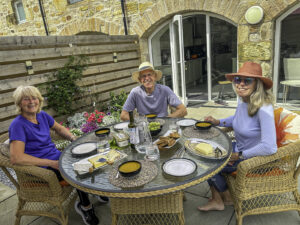
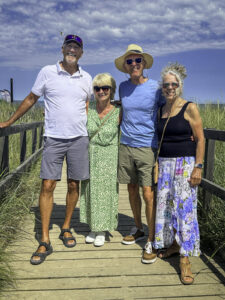
Thank you, Maggie and Gordon, for making this such an unforgettable visit. From the beautiful accommodations and your thoughtful, expert guiding, to the fantastic food, drink, and lively conversations that filled every evening, you made us feel completely at home. Most of all, we are grateful for the laughter, the stories, and the genuine camaraderie we shared. Your warmth and generosity turned our time in Scotland into a memory we will treasure forever.