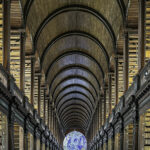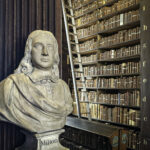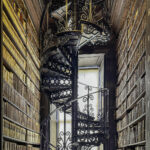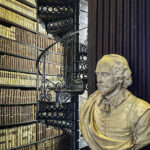
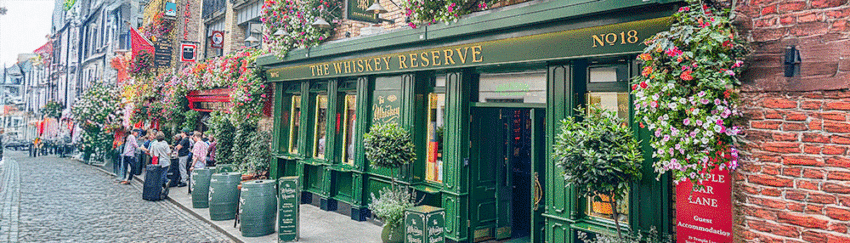
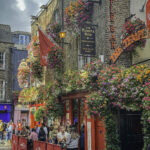
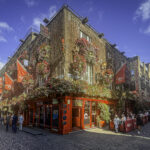
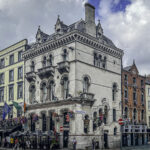
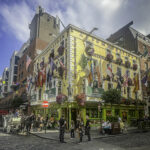
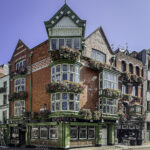
 After leaving Northern Ireland, we crossed the border and headed south into the Republic of Ireland, arriving at our first stop—the vibrant capital city of Dublin. We checked into the newly renovated The Mercantile Hotel, perfectly situated in the heart of the Temple Bar district. From our doorstep, we stepped directly into the lively pulse of the city, wandering narrow cobblestone streets lined with shops, pubs, and music-filled doorways, enjoying the unmistakable energy that defines Dublin after dark.
Dublin’s history stretches back more than a thousand years, beginning as a Viking settlement on the banks of the River Liffey before growing into a key medieval city under Norman rule. Over centuries, it became the political, cultural, and literary heart of Ireland. Georgian-era expansion in the 18th century gave Dublin its elegant squares and grand townhouses, while the 19th and early 20th centuries shaped the city through periods of hardship, rebellion, and the long struggle for Irish independence. Events such as the Easter Rising of 1916 and the subsequent founding of the Irish Free State firmly placed Dublin at the center of modern Irish history.
Today, Dublin seamlessly blends its past with a youthful, creative spirit. Literary giants like James Joyce, W.B. Yeats, and Samuel Beckett still loom large, while contemporary music, art, and cuisine keep the city constantly evolving. Nowhere is this blend more apparent than in Temple Bar, where centuries-old buildings house modern cafés and pubs, and traditional music spills into the streets. Our first evening wandering this historic quarter set the tone for our time in Dublin—a city proud of its history, alive with culture, and endlessly welcoming to those who explore it on foot.
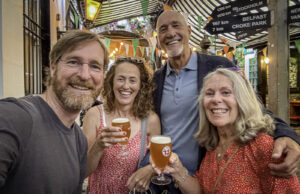 One of our highlights in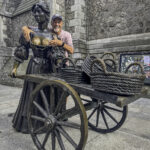
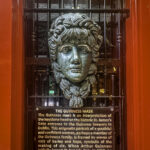
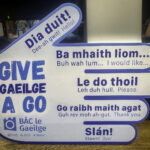
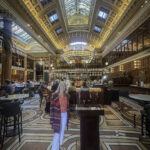


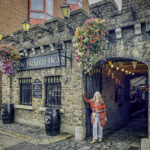

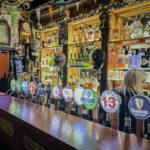

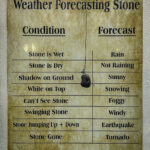
One of the must do experiences during any stay in Dublin is a visit to the legendary Guinness Storehouse—an immersive journey into one of Ireland’s most iconic brands.
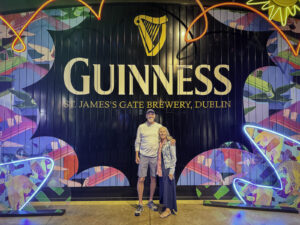 Guinness has been part of Dublin’s story since 1759, when Arthur Guinness signed a remarkable 9,000-year lease on the St. James’s Gate Brewery. What began as a small brewing operation grew into one of the world’s most recognizable stout beers and a global symbol of Ireland itself. Over the centuries, Guinness became deeply woven into the city’s social, economic, and cultural life, providing employment, supporting community initiatives, and shaping Dublin’s industrial heritage.
The Guinness Storehouse tour is a brilliantly designed, multi-level interactive experience housed in a former fermentation plant. As you move upward through the building—constructed around a giant glass atrium shaped like a pint of Guinness—you learn about every aspect of the beer’s creation: the four simple ingredients, the brewing process, the history of advertising, and the evolution of Guinness as a global brand. Engaging exhibits, historic artifacts, and hands-on displays make the story accessible and entertaining, even for those who don’t consider themselves beer enthusiasts.
The experience culminates at the Gravity Bar, perched at the top of the building, where visitors are rewarded with a perfectly poured pint of Guinness and 360-degree panoramic views over Dublin’s rooftops. Watching the city spread out below while enjoying that final pint felt like a fitting tribute to a beer—and a brewery—that has been central to Dublin life for more than two and a half centuries. Click on thumbnail to view images











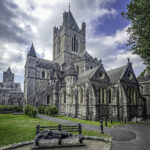
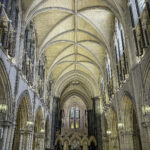
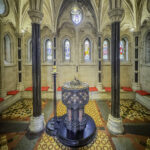
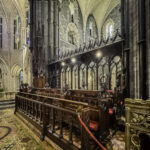
The next day we took a tour of the Christ Church Cathedral one of Dublin’s most significant and enduring landmarks, standing at the spiritual and historic heart of the city for nearly a millennium. Founded in 1030 by the Viking king Sitric Silkenbeard, the cathedral reflects Dublin’s origins as a Norse settlement before its 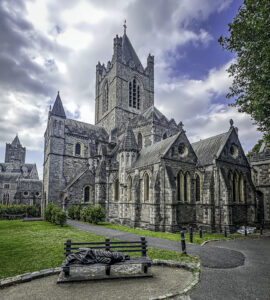 transformation under Norman rule. Originally a wooden structure, it was rebuilt in stone during the 12th century, evolving into the impressive church seen today. Its architecture is a striking blend of Romanesque solidity and Gothic elegance, with soaring arches, a dramatic nave, and richly detailed chapels that reveal centuries of change and restoration.
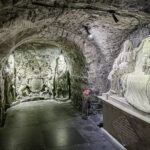
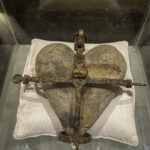
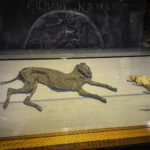
Christ Church has played a central role in Ireland’s religious, political, and civic life, hosting coronations, synods, and major national events. Beneath the cathedral lies its remarkable crypt, one of the largest and oldest in Britain and Ireland, dating from the 12th century. The crypt houses medieval artifacts, historic tombs, and even the famous preserved cat and rat—an unusual but memorable symbol of the building’s long history. Elevated walkways now link Christ Church to nearby Dublin Castle, emphasizing its historic importance within the medieval city.
Today, Christ Church Cathedral remains an active place of worship, a center for music and choral tradition, and a powerful symbol of Dublin’s layered past. It stands as a living connection between the city’s Viking beginnings, its medieval faith, and the vibrant modern capital that continues to grow around. Click on thumbnail to view images
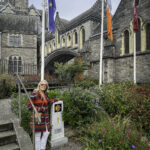
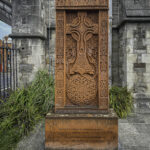

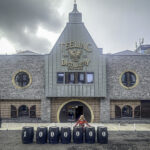
Our visit to the Teeling Distillery offered a perfect introduction to both modern Dublin and the long, complex story of Irish whiskey. Located in the historic Liberties neighborhood—once the heart of Dublin’s whiskey industry—the distillery stands on ground where distilling has taken place for centuries. In the 18th and 19th centuries, Dublin was one of the world’s leading whiskey capitals, home to dozens of distilleries producing spirits renowned for their smoothness and quality.
 Irish whiskey’s fortunes declined in the early 20th century due to a combination of political upheaval, trade disputes, Prohibition in the United States, and growing competition from Scotch whisky. By the late 1900s, only a handful of distilleries remained. The revival began in recent decades, and the Teeling Distillery family has played a key role in that resurgence. The Teelings trace their distilling roots back to 1782, and when they opened the Teeling Distillery in 2015, it became the first new distillery in Dublin in over 125 years—a symbolic return of whiskey-making to the city center.
What sets Teeling apart from traditional producers such as Jameson is its emphasis on innovation and experimentation. While Jameson is known for its consistency, large-scale production, and classic triple-distilled smoothness, Teeling embraces smaller-batch distilling, a wider range of mash bills, and non-traditional cask aging—including wine, rum, and fortified wine barrels. This approach produces bolder, more varied flavor profiles while still honoring Irish whiskey’s hallmark smoothness. Together, Teeling and Jameson represent two sides of Ireland’s whiskey revival: one rooted in global tradition, the other driven by creative reinvention.
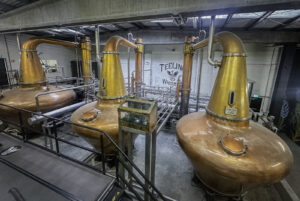
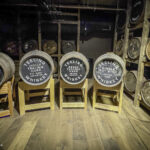
The Teeling tour is both informative and engaging, guiding visitors through the entire whiskey-making process—from milling and mashing to fermentation, distillation, and aging. The sight of Teeling’s three copper pot stills rising through the building highlights the distillery’s commitment to traditional methods, while innovative cask aging—including wine, rum, and fortified wine barrels—demonstrates a modern, experimental approach. The tour concludes with a tasting that showcases Teeling’s signature smooth, approachable style, offering a flavorful reminder of why Irish whiskey has reclaimed its place on the world stage. Click on thumbnail to view images






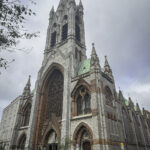
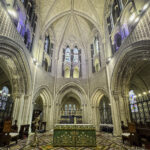
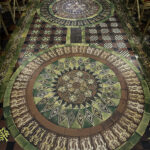
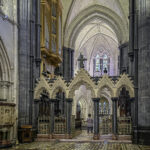
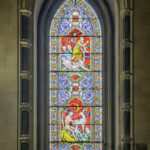
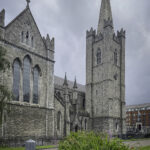
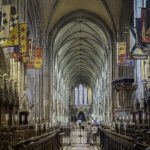
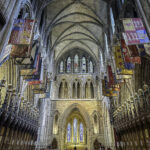
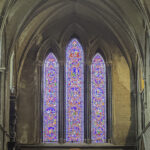
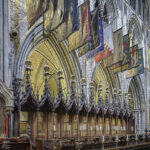
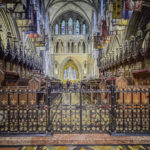
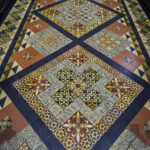
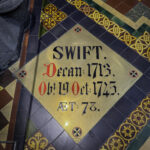
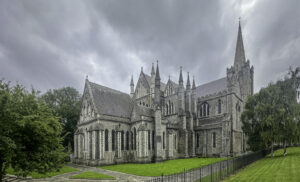 surrounds it. Founded in 1191 on a site long associated with St. Patrick, Ireland’s patron saint, the cathedral is said to stand near a well where Patrick baptized converts in the 5th century. As Ireland’s largest cathedral, it has played a central role in the nation’s religious and civic life for more than eight centuries. Inside, the soaring nave, richly colored stained glass, memorials, and banners reflect generations of worship, ceremony, and remembrance. The cathedral is also closely linked to
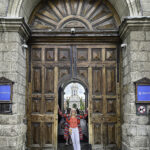
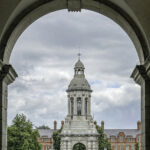
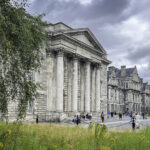
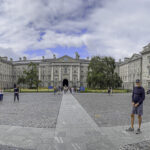
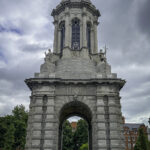
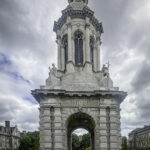
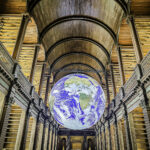
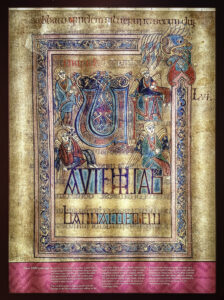 Founded in 1592, Trinity College is Ireland’s oldest university and has long been a center of scholarship, intellectual life, and national identity. Walking through its historic grounds, we passed elegant Georgian buildings, quiet courtyards, and green lawns that have shaped centuries of student life. The campus feels both stately and welcoming—a place where Ireland’s academic traditions remain very much alive.
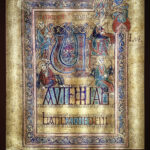
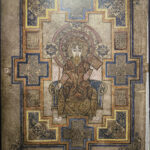
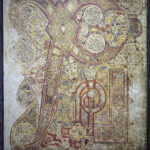
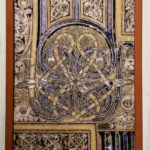
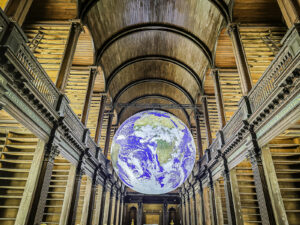 few pages are displayed at a time to preserve the manuscript, seeing it in person conveys both its artistic brilliance and its deep spiritual significance.