
The Normandy coast surrounding Bayeux is a region where medieval heritage, rural traditions, and coastal culture blend into one of France’s most distinctive landscapes. Bayeux itself was an important Norman center in the early Middle Ages, closely connected to the rule of William the Conqueror.
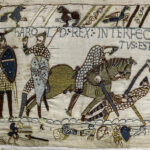
Bayeux, one of Normandy’s most elegant and historically significant towns, holds a unique place in European history. Founded in the early Middle Ages, Bayeux rose to 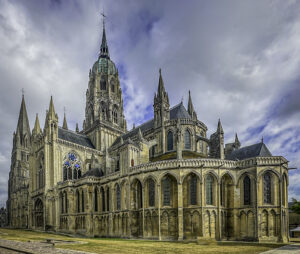 prominence under the Normans and became an important religious and cultural center. Its most famous treasure, the Bayeux Tapestry, was created in the 11th century and vividly depicts the events leading up to the Norman Conquest of England in 1066, serving as one of the greatest surviving works of medieval art.
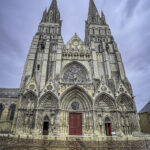
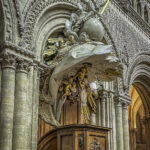
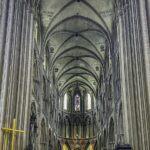
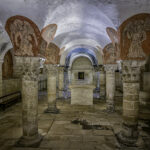
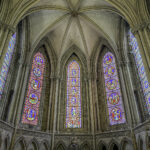
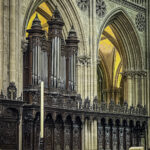
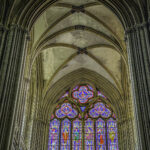
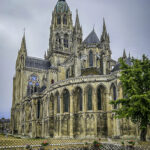
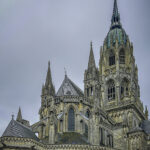
The town’s Gothic Notre-Dame Cathedral, consecrated in 1077 in the presence of William the Conqueror, stands at the heart  of its medieval quarter and reflects the architectural ambition of Norman rulers. Over the centuries, Bayeux’s strategic inland position spared it from the worst of coastal warfare, allowing its historic center to remain remarkably well-preserved.
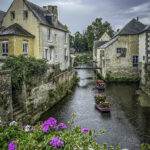
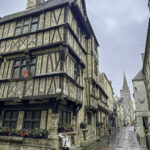
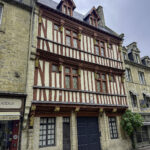
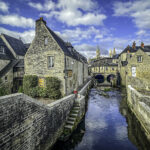
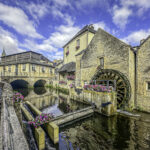
During World War II, Bayeux became the first major French town liberated by Allied forces following the D-Day landings. It escaped heavy destruction, enabling it to serve briefly as the administrative capital of Free France in 1944. Today, Bayeux’s cobbled streets, timbered houses, and historic monuments make it a serene gateway to the stories of both medieval Normandy and the modern fight for liberation. Click on thumbnail to view images






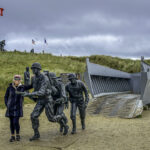
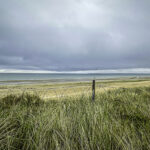
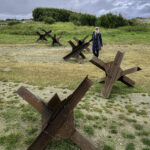
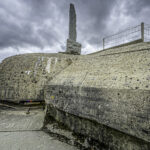
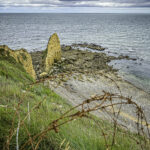
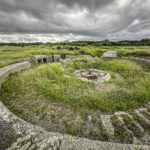
A must see for any visit are the D-Day beaches of Normandy, stretching across the northern coast of France, represent one of the most pivotal battlegrounds of World War II. On June 6, 1944, the 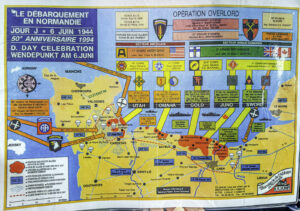 Allied forces launched Operation Overlord, the largest amphibious invasion in history and the beginning of the liberation of Western Europe from Nazi occupation. After years of occupation and months of planning, more than 150,000 soldiers from the United States, Britain, Canada, and several other Allied nations crossed the English Channel to assault five strategically chosen landing zones: Utah, Omaha, Gold, Juno, and Sword.
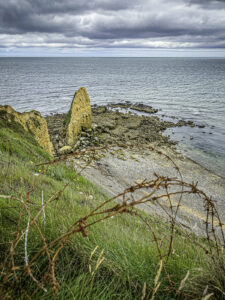
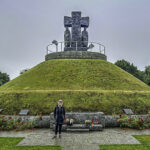
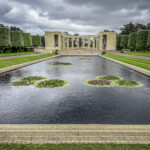
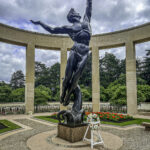
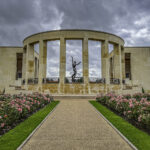
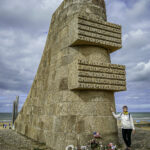
Today, the once battle-scarred shoreline of Normandy has been transformed into a powerful landscape of reflection and remembrance, marked by thoughtfully preserved museums, memorials, and military cemeteries that honor the immense sacrifices made during the Allied invasion of World War II. At Colleville-sur-Mer, the Normandy American Cemetery  rises above Omaha Beach, its perfectly aligned rows of white crosses and Stars of David stretching toward the horizon, offering a solemn tribute to the thousands who gave their lives in the pursuit of freedom.
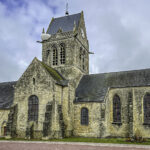
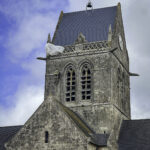
 944, American paratroopers from the 82nd Airborne Division dropped into the area, and the town’s church became an enduring symbol of that night. A parachute figure still hangs from the church tower in memory of paratrooper
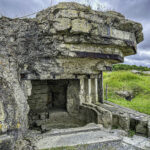
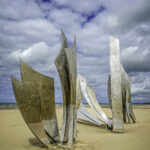
 These memorials, scattered across quiet beaches and rolling farmland, preserve the memory of the soldiers, sailors, and airmen who fought on D-Day. They stand as powerful reminders of the courage, cost, and enduring significance of the events that unfolded along the Normandy coast in 1944. Click on thumbnail to view images







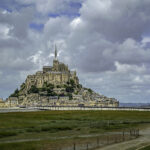
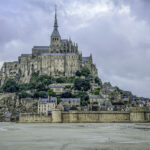
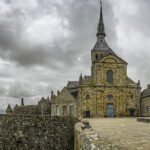
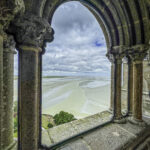
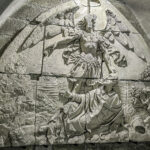
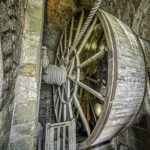
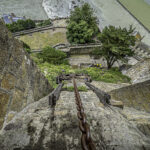
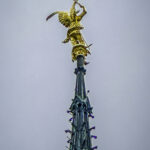
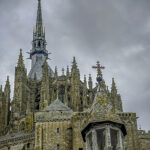
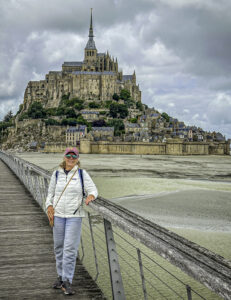
On our final day in Normandy we visited Mont-Saint-Michel, which rises dramatically from the tidal flats off the Normandy coast, and is one of France’s most iconic and enduring symbols of medieval faith and ingenuity. First settled by monks in the 8th century, the island became a renowned center of pilgrimage after the construction of its hilltop abbey dedicated to the Archangel Michael. 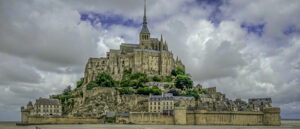 Over the centuries, successive generations of builders transformed the rocky summit into a soaring complex of chapels, cloisters, and fortifications known as the “Wonder of the West.”
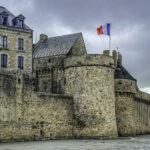
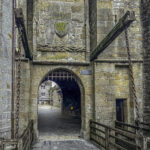
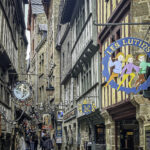
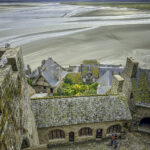
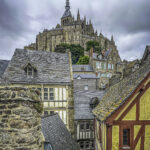
The island’s unique setting—surrounded by vast tidal flats and shifting waters that can sweep across the bay with remarkable speed—has long contributed to its sense of mystery and awe. The dramatic rise and fall of the tides, 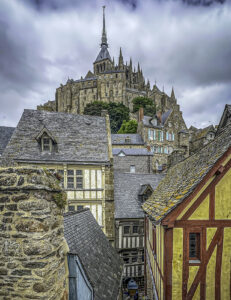 among the strongest in Europe, have historically transformed Mont-Saint-Michel from an island to a peninsula and back again within hours, reinforcing its isolation and spiritual symbolism. Its steep, winding streets climb sharply toward the abbey, lined with medieval timbered houses, stone walls, and ancient ramparts that reveal a layered history of monastic life, pilgrimage, religious devotion, and strategic military defense.
Throughout the Middle Ages, Mont-Saint-Michel served not only as a major religious center but also as a formidable fortress. During the Hundred Years’ War, its heavily fortified walls and natural tidal defenses famously withstood repeated English assaults, never falling to enemy forces. This resistance cemented the island’s reputation as a powerful symbol of French resilience and faith, blending sacred purpose with military strength in a way few places can match.
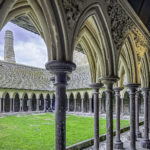
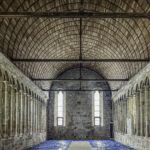
Today, the abbey remains an active religious site and one of the finest masterpieces of medieval architecture in Europe. Its soaring Gothic halls, cloisters suspended above the sea, and quiet chapels continue to inspire pilgrims and visitors alike. Whether approached across the modern causeway, glimpsed rising from the morning mist, or viewed from the distant shoreline at sunset, Mont-Saint-Michel stands as a breathtaking testament to human ingenuity, spiritual aspiration, and the dramatic natural beauty of the Normandy coast—an enduring icon unlike any other. Click on thumbnail to view images