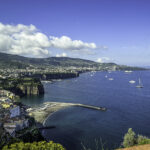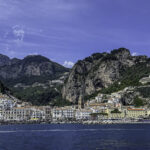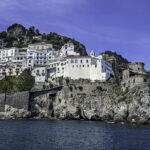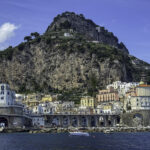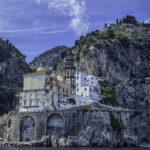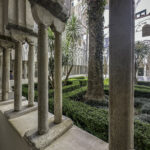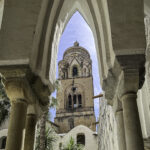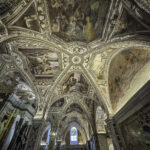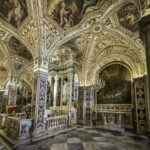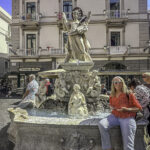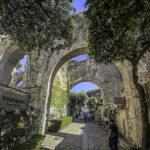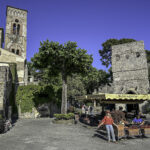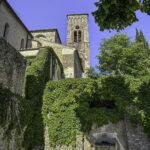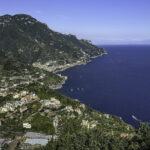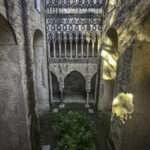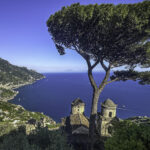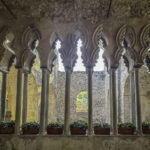
 After completing our exploration of ancient Egypt, we boarded a flight from Cairo to Naples, ready to begin the next chapter of our adventure. Naples marked the starting point of an ambitious four-month journey that would take us through Italy, Switzerland, Spain, Portugal, France, Scotland, Ireland, the Netherlands, and Belgium. From Mediterranean coastlines to historic capitals, medieval towns, and northern landscapes, this remarkable route would become a tapestry of cultures, histories, and unforgettable experiences across Europe.
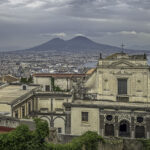
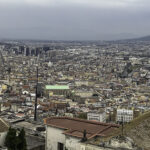
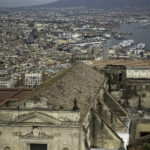
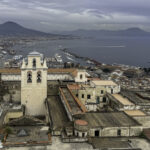
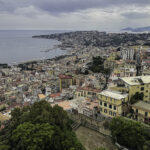
Naples, one of the oldest continuously inhabited cities in Europe, sits along the Bay of Naples in southern Italy beneath the shadow of Mount Vesuvius. Founded by Greek settlers as Neapolis in the 6th century BCE, the city became a major center of Magna Graecia before flourishing under Roman, Byzantine, Norman, and Spanish rule—each leaving layers of architecture, art, and tradition that shape its character today.
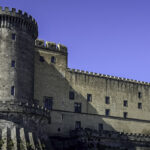
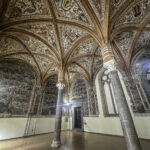
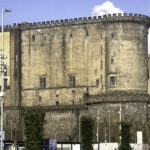
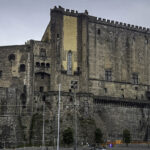
Its historic center, a UNESCO World Heritage Site, is a maze of ancient streets, underground tunnels, and monumental churches that reflect more than 2,500 years of urban life. Landmarks such as Castel Nuovo, the Royal Palace, and the Sansevero Chapel stand alongside lively markets and artisan workshops. Naples is also the gateway to world-famous sites including Pompeii, Herculaneum, Capri, and the Amalfi Coast.
Renowned as the birthplace of pizza, the city’s culinary traditions draw from both land and sea, offering dishes rooted in centuries of local culture. With its vibrant street life, deep artistic heritage, and dramatic coastal setting, Naples remains one of Italy’s most compelling and historically rich cities.
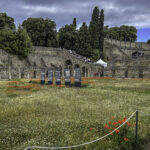
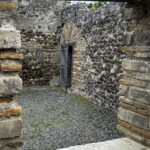
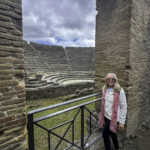
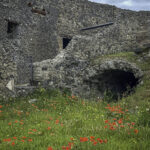
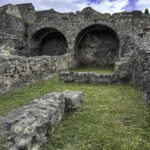
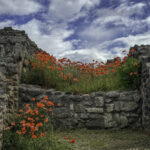
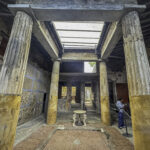
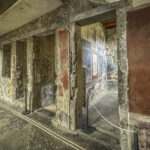
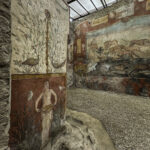
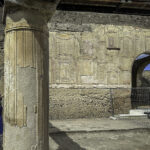
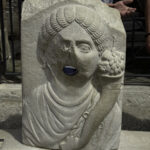
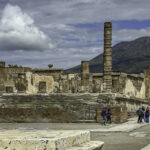
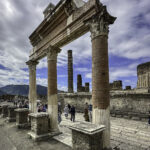
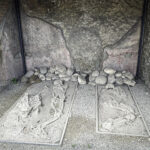
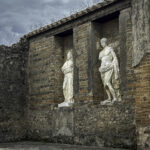
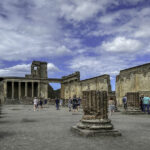
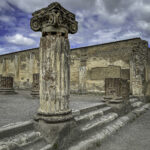
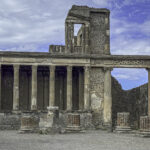
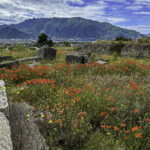
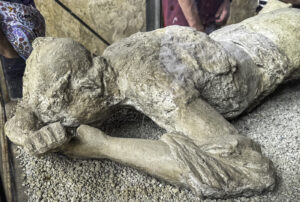 Pompeii, located near the Bay of Naples, is one of the most extraordinary archaeological sites in the world. Once a thriving Roman city of about 10,000–12,000 people, Pompeii was buried in 79 CE when Mount Vesuvius erupted violently, covering the town in several meters of ash and pumice. This sudden burial preserved buildings, streets, frescoes, and even the final moments of its inhabitants with remarkable clarity.
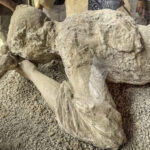
Excavations, begun in the 18th century, revealed a detailed snapshot of Roman daily life—homes with intact wall paintings, workshops still containing tools, public baths, temples, theaters, and the famous forum. Plaster casts taken from voids in the ash record the poignant shapes of people and animals caught in the eruption. Today, Pompeii provides unmatched insight into urban life, art, and society at the height of the Roman Empire. Click on thumbnail to view images
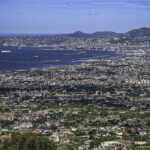
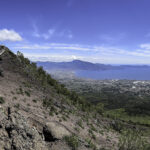
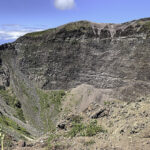
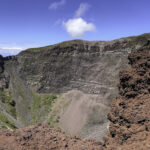
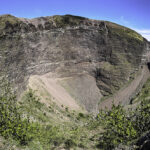
Mount Vesuvius, rising above the Bay of Naples, is one of the most studied and feared volcanoes in the world. Its catastrophic eruption in 79 CE destroyed the Roman 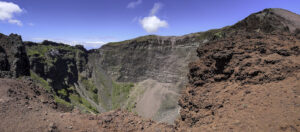 cities of Pompeii, Herculaneum, and several nearby towns, releasing ash, pumice, and deadly pyroclastic flows that reshaped the entire region. The eruption was famously documented by Pliny the Younger, giving modern volcanology one of its earliest firsthand accounts.
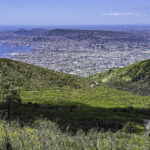
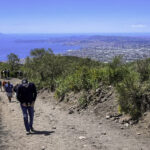
Despite its quiet appearance today, Vesuvius remains an active volcano within a densely populated area, making it a major focus of scientific monitoring. Its slopes are fertile from ancient lava flows, supporting vineyards, farms, and small towns. With its dramatic history and commanding views over Naples, Vesuvius remains both a symbol of natural beauty and a reminder of the destructive power beneath the Italian landscape. Click on thumbnail to view images



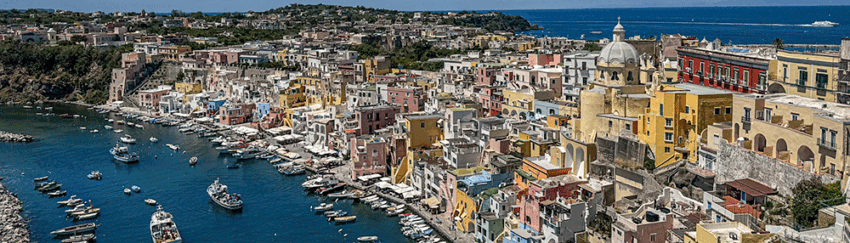
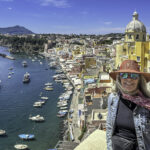
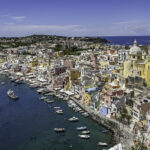
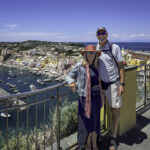
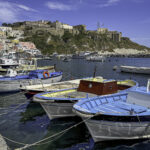
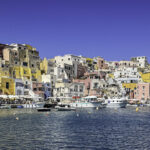
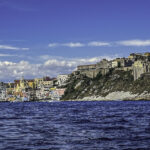
Procida, the smallest of the inhabited islands in the Bay of Naples, is a tranquil fishing community known for its pastel-colored houses, narrow lanes, and authentic 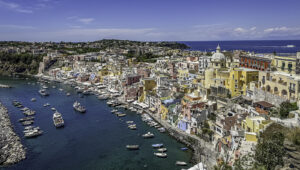 maritime culture. Settled since ancient times and shaped by Greek, Roman, and later Neapolitan influences, the island has long been a retreat for sailors, shipbuilders, and local families who have maintained traditions tied closely to the sea.
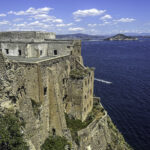
Its most iconic view is Marina Corricella, a picturesque harbor where fishermen’s homes rise in soft layers of pink, yellow, and blue against the cliffs. The historic Terra Murata fortress district crowns the island’s highest point, offering views across the bay and housing the former Bourbon-era prison, Palazzo d’Avalos. Unlike neighboring Capri and Ischia, Procida remains largely untouched by mass tourism, preserving a quiet, lived-in atmosphere.
Named Italy’s Capital of Culture in 2022, Procida blends centuries-old architecture with a strong literary legacy—serving as a setting for works like The Talented Mr. Ripley and Elsa Morante’s Arturo’s Island. With its unhurried pace, coastal paths, and vibrant fishing ports, Procida offers a rare glimpse of traditional island life in southern Italy. Click on thumbnail to view images
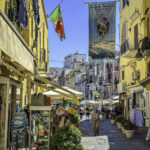
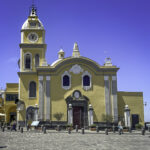
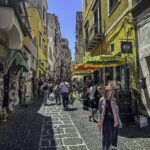
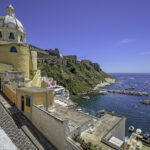


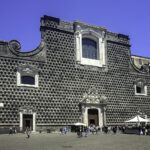
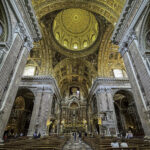
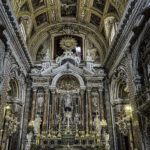
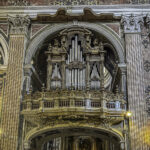
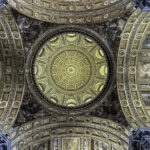
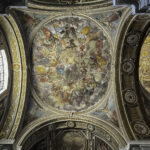
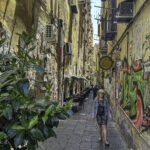
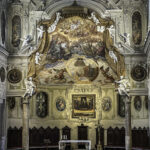
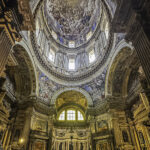
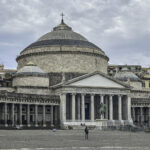
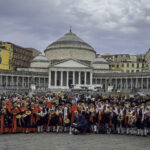
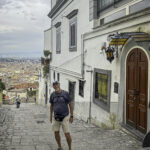
Old Naples, or the Centro Storico, is one of the most ancient and vibrant urban centers in Europe. Its layout still follows the grid of Neapolis, the Greek city founded in 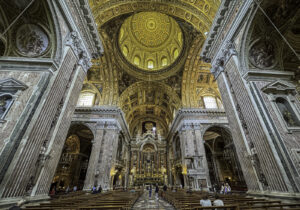 the 6th century BCE, with narrow streets called decumani and cardini running through a dense urban fabric that has evolved continuously for more than 2,500 years. This historic quarter is a UNESCO World Heritage Site, celebrated for its extraordinary layering of Greek, Roman, medieval, Renaissance, and Baroque architecture.
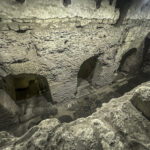
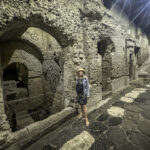
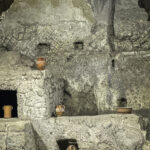
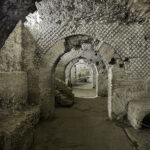
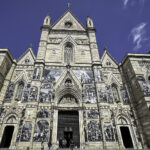
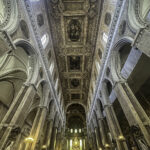
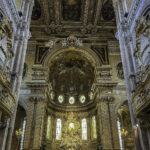
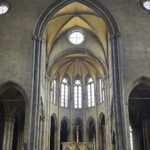
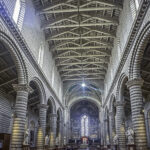
Walking through Old Naples reveals an open-air museum of churches, palaces, and underground tunnels. The Duomo of San Gennaro houses the patron saint’s relics and the famous Miracle of the Blood. Along Via San Gregorio Armeno, artisans craft traditional nativity figures in workshops that have operated for centuries. Beneath the streets, sites such as Napoli Sotterranea expose ancient Greek quarries, Roman cisterns, and World War II shelters.
The neighborhood is also a center of Neapolitan culture—filled with street markets, lively cafés, and historic pizzerias where the modern pizza was born. Vibrant, crowded, and unmistakably authentic, Old Naples offers an immersive journey through the city’s past and present, revealing the living heartbeat of southern Italy’s oldest metropolis. Click on thumbnail to view images





 The Sorrentine Peninsula, crowned by the town of