
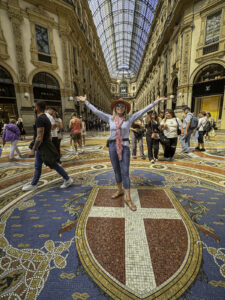
 From Orvieto, we continued our travels by high-speed train, racing north toward Milan—our gateway to exploring northern Italy and southern Switzerland. As the landscape shifted from central hill country to broad northern plains, we entered a region shaped by elegant cities, alpine scenery, and rich cultural history. Milan would serve as our base for discovering the art, architecture, and mountain beauty that define this remarkable corner of Europe.
Milan, the capital of Lombardy in northern Italy, is a city where ancient history, industry, and modern culture meet. Founded by Celtic settlers and later absorbed into the Roman Empire as Mediolanum, Milan grew into an important imperial center and early stronghold of Christianity. Through the Middle Ages and Renaissance, it became a seat of powerful dynasties—most famously the Visconti and Sforza families—whose patronage fostered art, architecture, and scientific innovation.
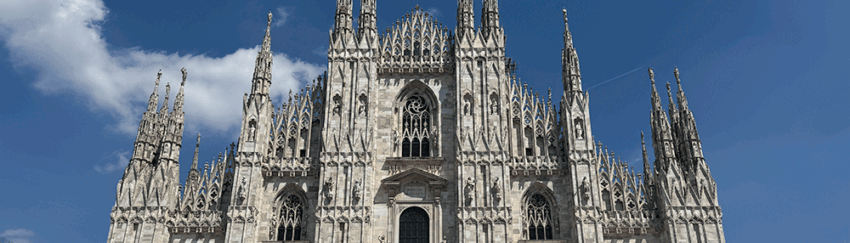
The city’s most iconic landmark is the Duomo di Milano, a vast Gothic cathedral begun in the 14th century and crowned with a forest of marble spires. Nearby stands the Castello Sforzesco, a fortified palace that once housed Renaissance courts and today contains museums and masterpieces.
In the modern era, Milan evolved into Italy’s financial and industrial powerhouse, known for international fashion, design, publishing, and commerce. Its neighborhoods blend historic streets with contemporary skyscrapers, lively cafés, opera houses such as La Scala, and world-class cultural institutions.
Today, Milan stands as a dynamic, cosmopolitan city—rooted in centuries of history yet continually reinventing itself as one of Europe’s major hubs of culture, creativity, and innovation.
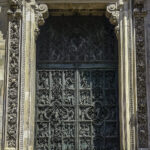
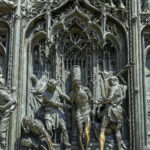
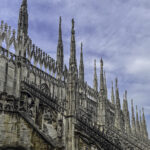
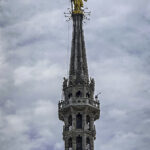
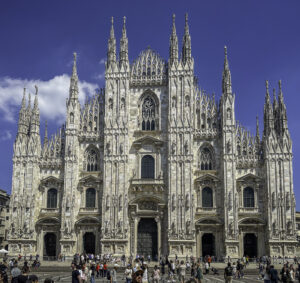 In the heart of Milan stands the magnificent Duomo di Milano, one of the largest and most breathtaking Gothic cathedrals in the world. Begun in the 14th century and completed over nearly six centuries, the Duomo is a masterpiece of soaring spires, intricate marble carvings, and thousands of statues that seem to animate its pale, radiant façade. Its vast size and elaborate detail reflect Milan’s historic power, artistic ambition, and deep devotion.
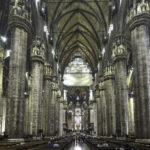
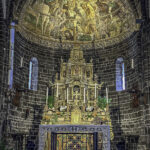
Our tour of the cathedral’s interior reveals a space as grand and inspiring as its exterior. Massive stone columns rise like a forest toward the vaulted ceiling, guiding the eye upward along shafts of colorful light filtered through the cathedral’s extraordinary stained-glass windows. The marble floors are laid in elegant geometric patterns, while side chapels hold religious artworks and monuments spanning centuries. At the heart of the cathedral rests a revered relic said to contain a nail from the True Cross, displayed high above the altar.
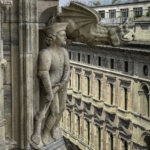
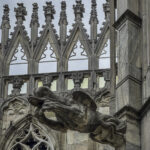
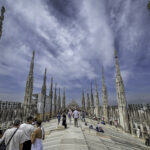
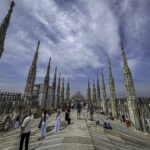
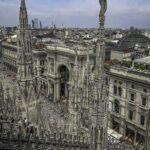
Ascending to the Duomo’s rooftop is a highlight of any visit. A network of terraces and stairways leads us among the cathedral’s delicate spires and flying buttresses, allowing close-up views of the detailed sculptures that adorn every corner. From the top, the panorama of Milan stretches in every direction—modern buildings, historic towers, and distant Alpine peaks forming a striking backdrop. Walking among the spires feels almost otherworldly, as if stepping into a sculpted garden of marble high above the city.
The Duomo di Milano stands not only as an architectural triumph but as a testament to the centuries of craftsmanship, artistry, and faith that shaped one of Europe’s most iconic cathedrals. Click on thumbnail to view images
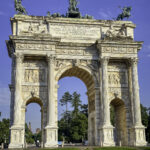
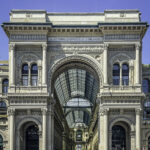
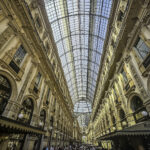
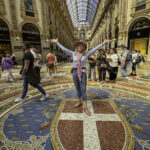
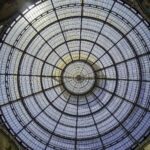
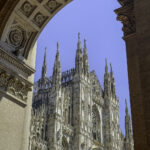
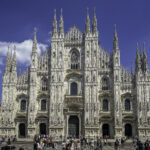
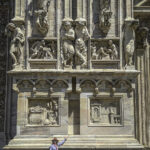
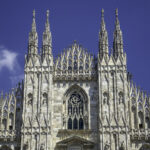
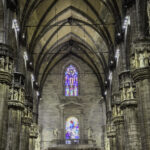
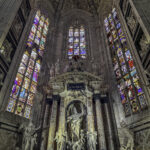
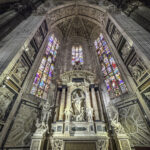
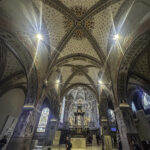
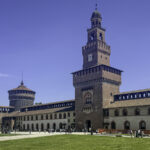
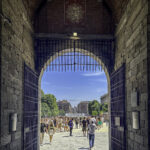
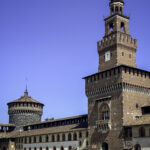
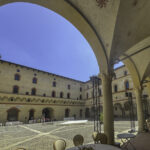
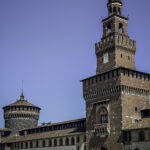
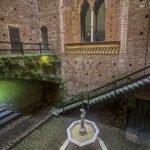
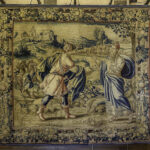
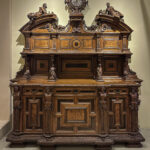
The Castello Sforzesco, situated at the edge of Milan’s historic center, is one of the city’s most imposing and historically rich landmarks. Originally built in the 15th 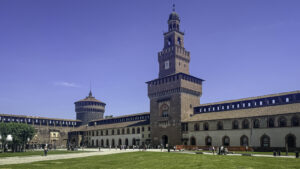 century by Francesco Sforza, Duke of Milan, the castle served both as a formidable fortress and an elegant ducal residence. Over the centuries, it expanded into a sprawling complex with towers, courtyards, and defensive walls that reflected the power and influence of the ruling Sforza family.
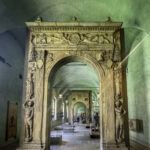
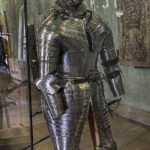
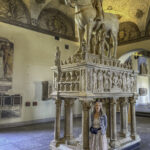
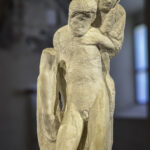
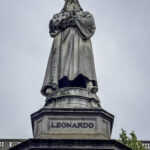
Today, the castle is a cultural treasure, housing several of Milan’s finest museums and art collections. Visitors can wander through grand halls, archaeological exhibits, and galleries that include Renaissance masterpieces—among them works by Leonardo da Vinci and Michelangelo’s unfinished Rondanini Pietà, a deeply moving sculpture displayed in the castle’s final hall.
Outside, the castle opens onto Parco Sempione, a peaceful, tree-lined refuge in the heart of the city. With its blend of medieval strength, Renaissance artistry, and modern cultural life, Castello Sforzesco stands as a testament to Milan’s layered past and enduring creativity.



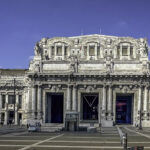

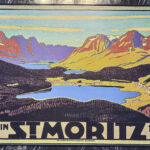
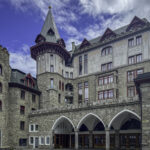
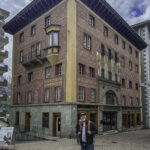
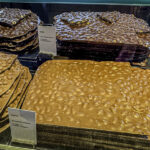
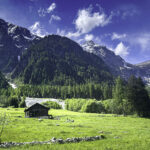
Our day began with a scenic bus ride past the shimmering shores of Lake Como, heading north into the increasingly dramatic landscapes of the Alps. The road climbed steadily toward St. Moritz, Switzerland, where we enjoyed a relaxing lunch, explored the elegant resort town, and sampled some truly exceptional Swiss chocolates.
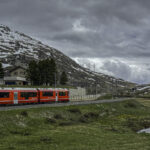
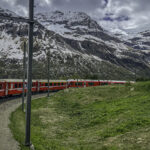
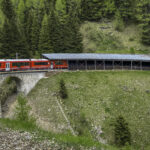
From there, we made our way to the station to begin one of Europe’s great railway adventures. We boarded the famous Bernina Red Train, eager to experience its legendary alpine route firsthand.
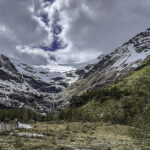
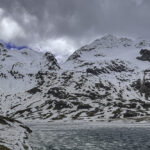
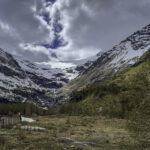
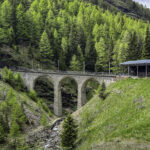
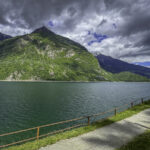
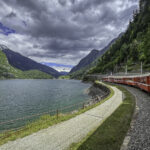
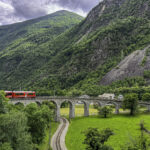
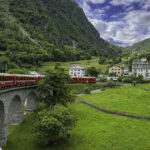
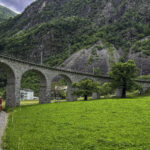
The Bernina Red Train, is one of Europe’s most spectacular railway journeys. Operated by the Rhaetian Railway, it runs 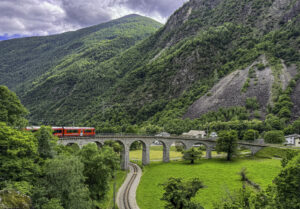 between Chur (or St. Moritz) in Switzerland and Tirano in northern Italy, crossing the Alps along the historic Bernina Line—a UNESCO World Heritage Site. Completed in 1910, the route was engineered without rack-and-pinion assistance, relying instead on sweeping curves and stone viaducts to navigate steep alpine terrain.
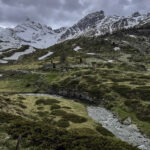
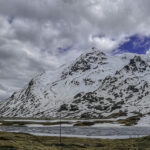
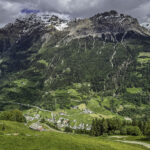
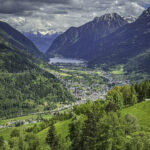
The train’s panoramic carriages offer uninterrupted views of glaciers, high mountain passes, and turquoise lakes as it climbs to the Bernina Pass at over 2,250 meters (7,382 feet), making it one of the highest adhesion railways in the world. Highlights include, the Montebello Curve overlooking the Morteratsch Glacier, and the spiral Brusio Viaduct, a circular stone structure unique in global railway design.
Descending into Italy, the landscape transitions from snowy alpine peaks to palm-lined valleys, showcasing the dramatic geographical contrast of the region. Today, the Bernina Express is celebrated for its seamless blend of engineering brilliance and natural beauty, offering one of the most memorable and scenic train journeys anywhere in the world. Click on thumbnail to view images












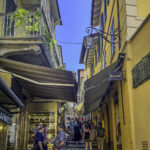
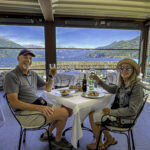
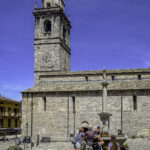
The next day, we found ourselves back in the Lake Como region—this time with the chance to explore the charming small towns and villages that make the area one of the most romantic destinations in Italy. With its shimmering waters, elegant villas, and narrow lakeside lanes, each stop offered its own blend of beauty, history, and quiet Italian charm.
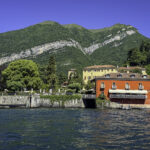
Lake Como, set amid the forested foothills of the Italian Alps, has been a retreat since Roman times, known for its deep blue waters, dramatic mountains, and elegant lakeside towns. Its mild climate and historic villas have long drawn writers, nobles, and travelers seeking beauty and tranquility.
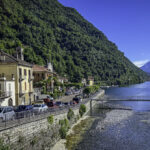
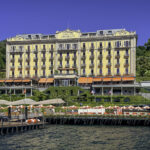
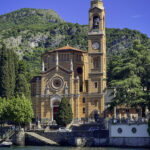
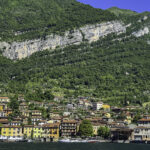
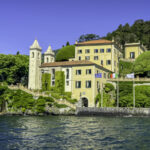
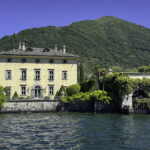
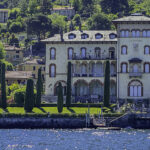
 On the lake’s western shore, Tremezzo is distinguished by its waterfront promenade and grand estates. The most notable is Villa Carlotta, an 18th-century villa surrounded by terraced botanical gardens that overlook the lake. Tremezzo’s serene atmosphere and classic hotels reflect the refined lake culture that has defined Como for generations.
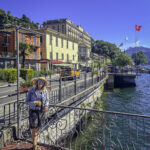
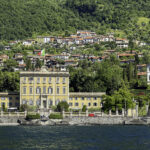
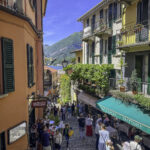
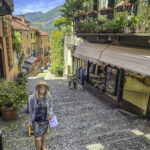
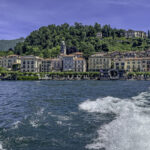
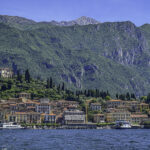
Across the water, at the point where the lake splits in two, Bellagio stands as the region’s most iconic village. Its steep stone lanes, neoclassical villas, and manicured gardens—such as those of Villa Melzi—offer sweeping views of the lake’s branches. Bellagio’s central position makes it a natural crossroads for ferries and visitors exploring the lake’s historic towns.
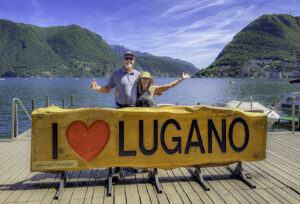
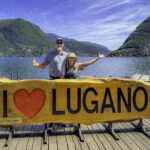
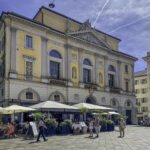
Our return bus trip took us just north across the Swiss border to Lugano, set on its own glacial lake but culturally linked to the Como region. Blending Swiss efficiency with Italian style, Lugano features lakeside parks, elegant shopping streets, and mountain viewpoints such as Monte Brè and Monte San Salvatore. Its palm-lined waterfront and vibrant cultural scene make it a natural extension of any journey through the lakes district.
Together, Lake Como, Tremezzo, Bellagio, and Lugano form a harmonious cross-border region where alpine landscapes, historic villages, and Mediterranean influences meet—one of the most scenic and culturally rich corners of northern Italy and southern Switzerland. Click on thumbnail to view images



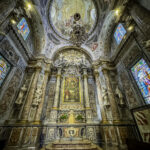
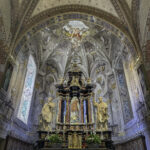
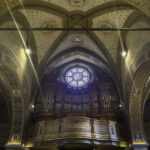
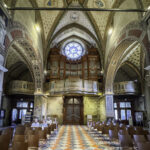
We returned to Milan for our final night in northern Italy, knowing that tomorrow we would fly to Barcelona, Spain, to begin the next exciting leg of our European Discovery Tour. With the memories of alpine peaks, lakeside villages, and historic cities still fresh in our minds, we looked forward to the adventures awaiting us across the Pyrenees.