 Our exploration of Ireland’s west coast began in Killarney, a town long regarded as a gateway to some of the country’s most spectacular natural and cultural landscapes. Nestled near lakes, mountains, and national parklands, Killarney provided the perfect starting point for our journey north. The adventure opened on a high note with a rousing evening of Celtic music and dance, performed by the Celtic Steps. The driving rhythms, intricate footwork, and expressive storytelling of the dancers, accompanied by traditional instruments, brought Ireland’s living heritage vividly to life and offered a spirited welcome to the west.
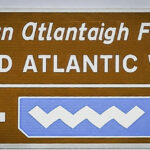
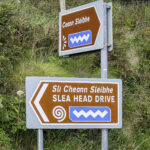
 From Killarney, we set out toward the coast and onto the legendary Wild Atlantic Way, one of the longest defined coastal touring routes in the world. Often described as “where land and sea collide,” this iconic drive traces Ireland’s western edge for thousands of kilometers, following cliffs, headlands, and remote peninsulas shaped by the relentless Atlantic. Almost immediately, the scenery shifted—green fields sloped toward rocky shores, stone walls crisscrossed the countryside, and the ocean appeared and disappeared around every bend in the road.
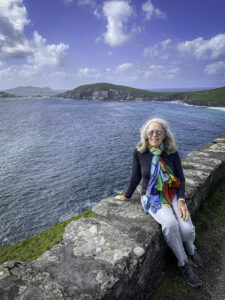
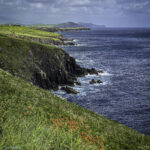
Our first major destination was the Dingle Peninsula, one of the most celebrated stretches of the Wild Atlantic Way. Here, narrow roads wind past ancient stone huts, early Christian ruins, Gaelic-speaking villages, and sweeping coastal views where waves crash against cliffs and offshore islands rise dramatically from the sea. Driving this route felt like stepping into a landscape deeply connected to Ireland’s past, where music, language, and tradition remain woven into everyday life.
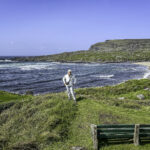
Before climbing into the mountains, we stopped at the expansive Inch Beach, a sweeping stretch of sand that curves along the edge of Dingle Bay. Backed by dunes and framed by distant mountains, Inch Beach is one of Ireland’s most iconic beaches and has long been shaped by Atlantic winds and tides. Historically used for fishing and seaweed gathering, it is now known for its wide-open beauty, changing light, and popularity with walkers and surfers alike. Pausing here, with waves rolling in and the landscape opening wide to the horizon, was a perfect prelude to the dramatic drive ahead.
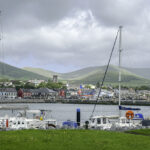
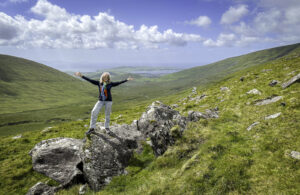 After crossing over the beautiful Connor Pass, one of Ireland’s highest and most scenic mountain roads, we spent time wandering through the lively seaside town of Dingle. The pass itself winds through rugged terrain with steep drop-offs, glacial valleys, and views that stretch across the peninsula to the sea, offering a thrilling transition from coast to highlands. Descending from the pass, Dingle welcomed us with its colorful shopfronts, working harbor, and warm, inviting atmosphere.
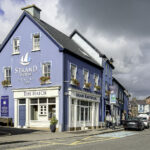
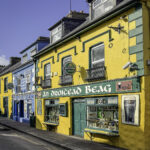
Once a busy medieval trading port with strong links to Spain and continental Europe, Dingle later became a center of fishing and maritime life. Today, it is equally famous for its traditional music scene, Irish-language heritage, and creative spirit. Narrow streets lined with pubs, craft shops, and cafés invited lingering, while the harbor offered views of fishing boats bobbing against the backdrop of green hills. Exploring Dingle provided a perfect balance to the peninsula’s wild scenery—combining rich history, living culture, and the relaxed charm of one of Ireland’s most beloved coastal towns. Click on thumbnail to view images
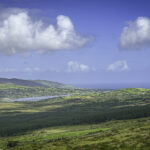
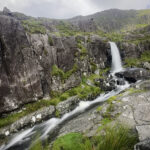
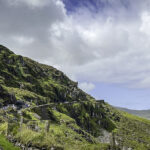
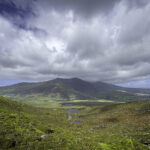
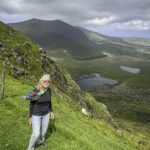
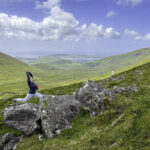
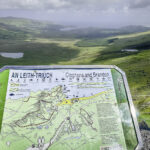
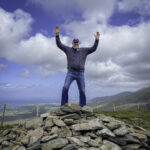
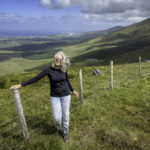
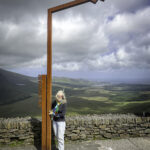

As we continued along the Wild Atlantic Way, and the Dingle Peninsula, it became clear that this journey was about far more than dramatic scenery. The road here threads through some of Ireland’s most elemental landscapes—past ancient stone houses and beehive huts that cling to hillsides, reminders of early settlement and a life shaped by wind, sea, and isolation. Along this stretch, the Wild Atlantic Way feels particularly raw and intimate, with narrow roads hugging cliffs, sudden pullouts revealing vast ocean views, and the Atlantic’s constant presence setting the rhythm of travel.
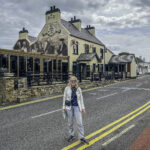
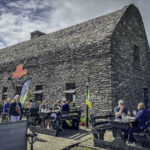
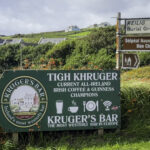
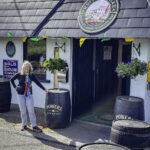
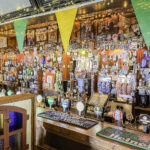
We stopped at Kruger’s Bar, reputed to be the westernmost bar in Europe, a fitting spot at the edge of the continent. Inside, the warm glow, friendly conversation, and easy mix of locals and travelers made it a classic Irish pub experience—one where stories, laughter, and pints flowed freely, grounding the day’s dramatic landscapes in human connection.
From there, we continued on to the small coastal village of Cloghane, where we spent the night. Tucked beneath the towering slopes of Mount Brandon, one of Ireland’s most sacred pilgrimage mountains, Cloghane is a quiet place shaped by fishing, farming, and deep-rooted tradition. With its scattered cottages, shoreline views, and peaceful atmosphere, it offered a perfect contrast to the lively energy of Dingle—a calm and reflective stop along Ireland’s rugged western edge, where the day ended as gently as it had begun. Click on thumbnail to view images
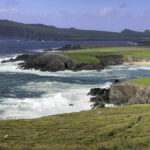
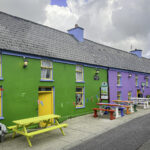

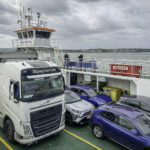
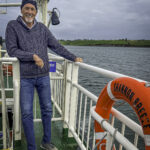
Leaving Cloghane and continuing north along the Wild Atlantic Way, one of the most memorable segments of our journey began on the Shannon Ferry—a 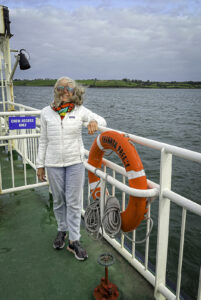 charming and practical shortcut that carries travelers across the wide Shannon Estuary. Linking Tarbert in County Kerry with Killimer in County Clare, the ferry has long served as an important crossing point between Ireland’s southwest and west. Today, it remains a vital part of coastal travel offering a relaxing pause as we sailed past tidal waters, seabirds, and distant shorelines shaped by centuries of maritime life. Gliding across the estuary, it was easy to imagine the long history of trade, fishing, and movement that has connected these coasts since medieval times.
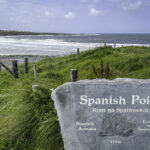
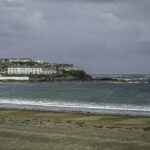
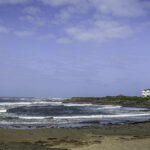
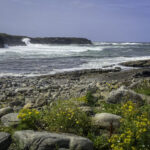
Once ashore in County Clare, we continued north through a landscape increasingly defined by the Atlantic. One of our first notable stops was Spanish Point, a windswept coastal area whose name recalls the wrecks of Spanish Armada ships lost here in 1588. Survivors who reached shore were often aided by local families, and the tragedy left a lasting imprint on regional memory. Today, Spanish Point is known for its dramatic shoreline, rolling waves, and strong surf culture—an evocative place where history and nature meet at the ocean’s edge.
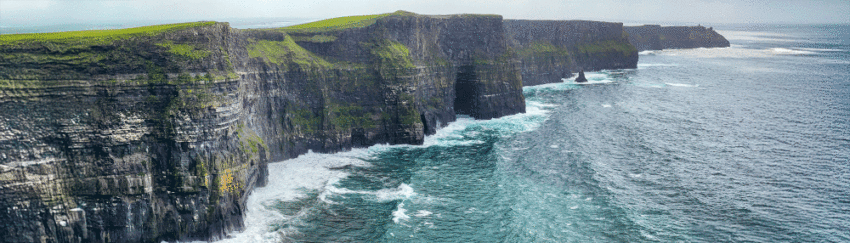
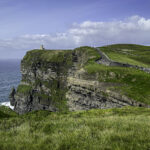
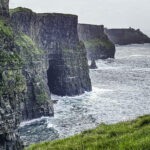
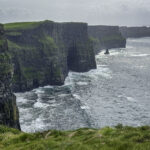
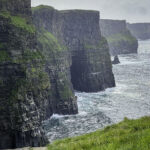
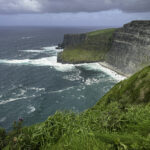
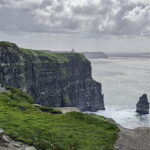
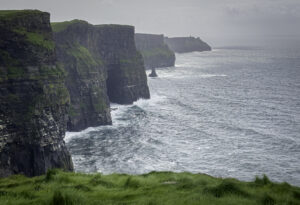 From there, the road led us to one of Ireland’s most iconic natural wonders—the Cliffs of Moher. Rising abruptly from the Atlantic to heights of over 700 feet, these immense sea cliffs stretch for nearly eight kilometers along the Clare coastline. Formed more than 300 million years ago, the cliffs are composed primarily of shale and sandstone laid down in ancient river deltas, later lifted and sculpted by relentless Atlantic winds and waves. Walking along the cliff paths, with seabirds nesting on narrow ledges below and waves crashing far beneath our feet, the scale and power of the landscape felt both humbling and awe-inspiring. Historically, the cliffs served as navigation markers for sailors and a lookout point for coastal communities who depended on the sea for survival.
As the day drew on, we continued north to Lahinch, where we checked into the Shamrock Inn Hotel for the night. Lahinch, long known as a seaside resort and surfing destination, offered a gentler close to a day filled with sweeping seascapes and geological drama. From the quiet ferry crossing to the towering Cliffs of Moher, this stretch of the Wild Atlantic Way captured the essence of Ireland’s west coast—where history, legend, and the raw force of the Atlantic are never far apart. Click on thumbnail to view images
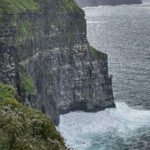
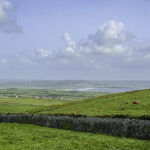
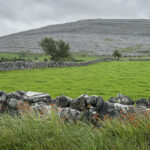
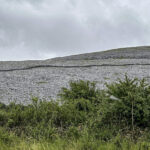
From Lahinch, we continued north along the Wild Atlantic Way, leaving major roads behind for winding backcountry lanes that carried us deep into western Ireland’s 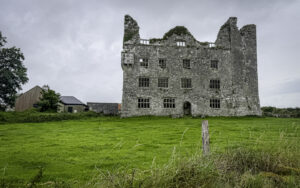 changing landscapes. Stone walls, open pastureland, and stretches of exposed limestone signaled the ancient, sparsely settled terrain of the Burren region.
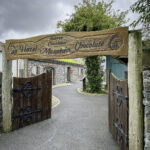
One of our most enjoyable stops was the Burren Chocolatier, set at the edge of this remarkable karst landscape known for its limestone pavements, rare wildflowers, and prehistoric sites. Founded with a strong commitment to sustainability, the chocolatier uses organic ingredients and ethically sourced cocoa. Sampling their handcrafted chocolates was a delightful contrast to the rugged scenery outside and a reminder of how creativity thrives even in remote places.
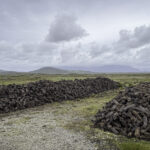
 The surrounding countryside is dotted with peat bogs, which for centuries provided turf—the traditional fuel for heating and cooking in rural Ireland. Hand-cut and dried, peat shaped both the landscape and local traditions, and its presence remains a defining feature of the region.
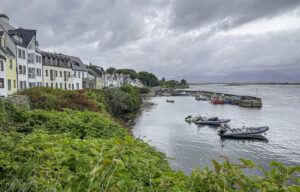
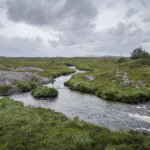
From there, we continued to the coastal village of Roundstone, stopping for lunch along its sheltered bay in Connemara. Long shaped by fishing, boatbuilding, and the Irish language, Roundstone is known for its colorful buildings, artistic heritage, and sweeping views toward the Twelve Bens mountains.
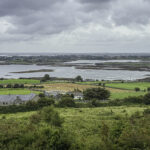
After lunch, we pressed on to Oranmore, on the eastern edge of Galway Bay just outside the city of Galway. Once a small medieval settlement centered around Oranmore Castle, the area has grown into a lively community while maintaining strong ties to the sea. Arriving here marked a gentle transition from remote coastal roads back toward a more populated landscape, closing another memorable day along Ireland’s Atlantic edge. Click on thumbnail to view images
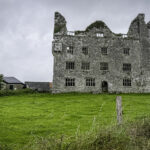

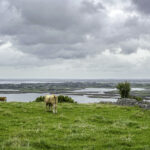
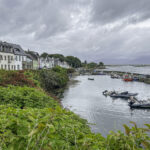
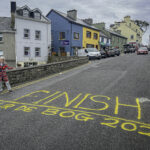
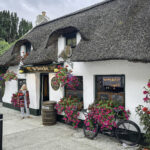
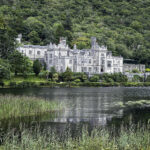
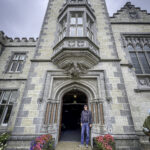
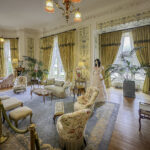
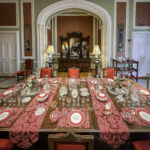
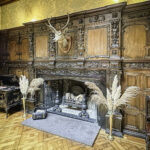
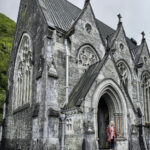
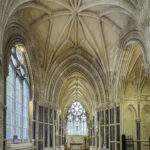
We left early the next day under cloudy skies, filled with anticipation for our visit to Kylemore Abbey, one of Ireland’s most romantic and historically rich landmarks. 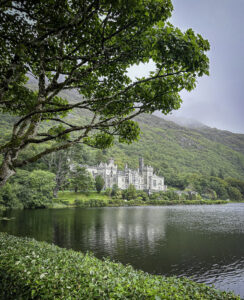 Nestled at the foot of the Twelve Bens in Connemara, Kylemore Abbey was built in 1867 by Mitchell Henry, a wealthy physician and Member of Parliament, as a private residence for his wife, Margaret. Designed in a Gothic Revival style and set beside a tranquil lake, the abbey was conceived as a symbol of love and family. After Margaret’s untimely death, the estate passed through several hands before becoming home to a community of Benedictine nuns, who relocated here from Belgium during World War I. Since 1920, the abbey has served as both a monastery and a school, with its story reflecting themes of devotion, loss, and renewal. As we explored the elegant rooms and grounds, the skies began to clear, revealing the dramatic mountain setting that makes Kylemore feel almost otherworldly.
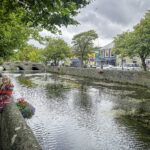
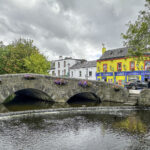
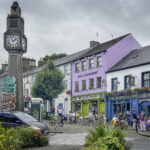
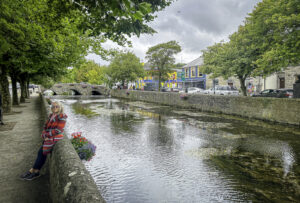 Under improving skies, we continued our journey to the lively town of Westport, where we spent time browsing local shops and soaking in the town’s welcoming atmosphere. Westport is a planned Georgian town, laid out in the late 18th century by the architect James Wyatt under the patronage of the Browne family of nearby Westport House. Its tree-lined boulevards, stone bridges, and graceful squares reflect Enlightenment-era ideals of order and beauty. Historically, Westport prospered as a market and port town, serving the surrounding agricultural region and later becoming a gateway for travelers drawn to nearby Croagh Patrick, Ireland’s most sacred mountain. Today, Westport blends its historic elegance with a vibrant cultural scene, making it one of the most appealing towns in western Ireland.
From Westport, we continued on to Strandhill, located on the outskirts of Sligo along the Atlantic coast. Once a small fishing and seaside village, Strandhill developed in the 19th century as a popular resort, known for its long sandy beach, fresh sea air, and therapeutic baths. Its setting beneath Knocknarea Mountain, crowned by the legendary cairn of Queen Maeve, ties the village deeply to Irish mythology and ancient history. Today, Strandhill is known for its surf culture, artistic community, and relaxed coastal vibe—a fitting place to end another day of discovery along Ireland’s ever-changing west coast. Click on thumbnail to view images
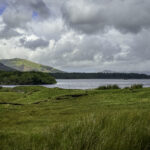
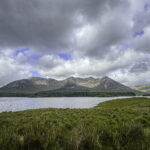




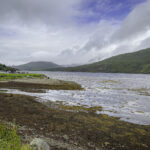
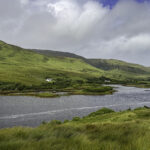
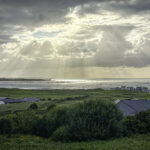
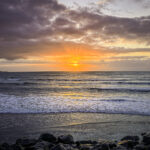
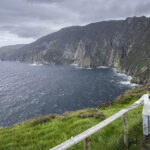
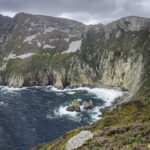
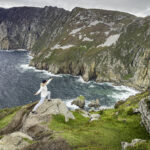
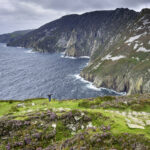
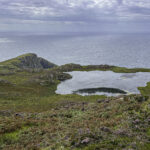
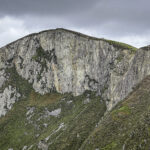
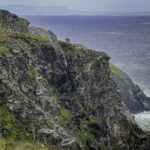
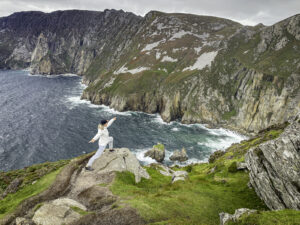 waves and distant horizons. Geologically, Sliabh Liag is composed of ancient quartzite and schist formed over 300 million years ago, shaped by tectonic forces, ice, and relentless Atlantic weather. Long before modern roads, the cliffs held spiritual significance; nearby are the remains of early Christian hermitages and ancient stone structures, suggesting the area was a place of retreat and contemplation for monks seeking isolation at the very edge of the known world. Standing atop the cliffs, with wind whipping in from the ocean and seabirds circling below, the scale and raw power of the landscape felt both humbling and unforgettable.
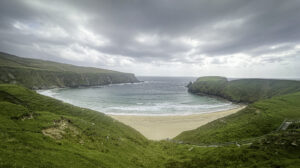 After lunch, we made a detour to