 With mixed emotions, we began the next—and final—phase of our 2025 European adventure, a journey that had already carried us through seven countries rich in history, culture, and unforgettable landscapes. We were sad to say goodbye to Ireland, whose rugged coastlines, warm hospitality, and deep traditions had left a lasting impression. From Dublin, we boarded a flight to Amsterdam, ready to shift gears once again and experience Europe in an entirely new way.
This chapter would unfold as a 14-day bike and barge tour through Holland and Belgium, operated by Road Scholar—the same organization that had so expertly guided us through Egypt earlier in the year. Upon arrival at the airport, we met our group of fellow travelers, along with one of our guides, Ana and Pim, whose easy manner immediately set a welcoming tone. Without delay, we boarded a bus for an introductory excursion to Zaanse Schans, offering our first glimpse into traditional Dutch life.
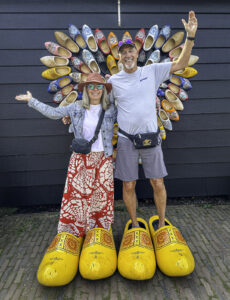
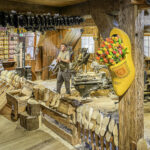
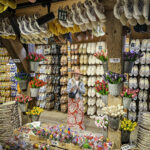
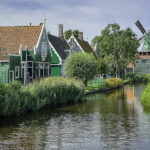
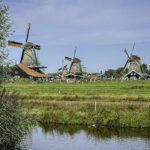
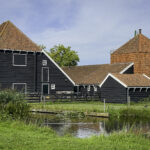
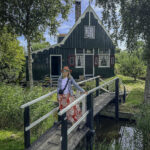
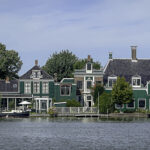
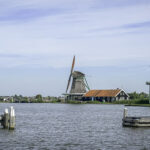
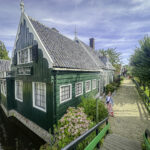
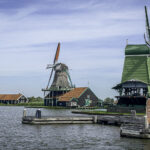
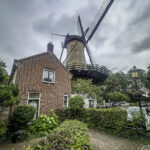
At Zaanse Schans, we toured historic buildings and workshops, explored the exhibits, and listened as our guides explained the region’s long relationship with wind, water, and craftsmanship. Working windmills, wooden houses, and artisan demonstrations brought Dutch history vividly to life. The visit was made even sweeter when we were treated to our first Dutch pancakes, which are baked rather than fried and made a delicious and lighthearted introduction to local cuisine.
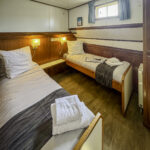
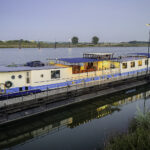
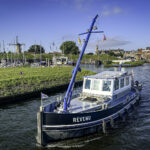
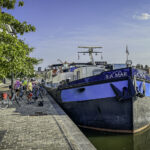
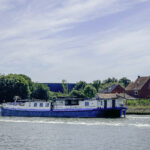
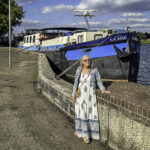
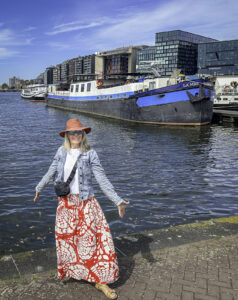 From there, we returned to Amsterdam to officially begin our floating journey. Boarding our barge, La Mar, we met our second guide and the ship’s crew, who would be our hosts and companions for the weeks ahead. As we settled into life aboard, it was clear that this final phase promised a slower pace, shared experiences, and new perspectives—an ideal way to conclude a remarkable European adventure.
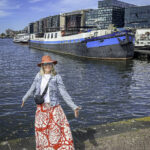
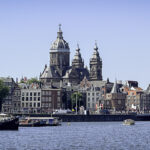
After getting settled into our rooms, we gathered on deck to watch the skyline of Amsterdam slowly glide past as the barge made its way to our first berth for an overnight stay on a canal near Utrecht. Canals, bridges, river traffic and historic buildings unfolded along the water, offering a relaxed and atmospheric introduction to the city from a completely different perspective. It was a quiet, reflective moment—watching day fade into evening as we eased into life aboard.
That night, we shared our first dinner on board, and it was outstanding. Around the table, conversation flowed easily as we began getting to know our fellow adventurers—trading travel stories, backgrounds, and expectations for the journey ahead. By the end of the evening, the group already felt less like strangers and more like companions, setting a warm and convivial tone for the days to come. Click on thumbnail to view images
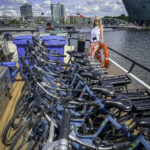
After a hearty and satisfying breakfast aboard the barge, we gathered in the salon with Ana and Pim for an informative and reassuring introduction to cycling in the Netherlands. They walked us through local road rules, safety practices, and cycling etiquette, offering helpful insights into a country where bicycles are truly a way of life. With centuries of experience managing bikes, canals, and traffic together, the Dutch have created one of the safest and most cyclist-friendly environments in the world.
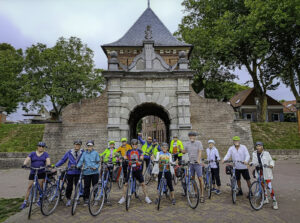
Next came the all-important bike fitting. Each of us was matched with a bicycle adjusted for comfort and ease, followed by a short test ride to be sure everyone felt confident starting, stopping, and maneuvering. It was a gentle but essential warm-up—our first taste of pedaling through a landscape designed almost perfectly for cycling.
With preparations complete, we set off toward Schoonhoven, often called the “Silver City.” Situated along the River Lek, Schoonhoven has been a center of silversmithing since the 17th century, when guilds of skilled craftsmen established workshops here. Even today, the town is known for its silver traditions, museums, and elegant old buildings that reflect its prosperous past. Riding into town along quiet paths and waterways felt like slipping back into a slower, more deliberate era.
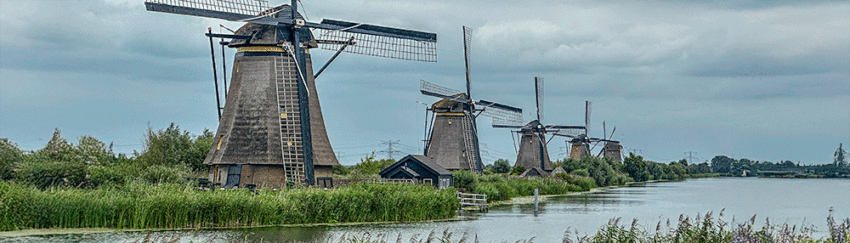
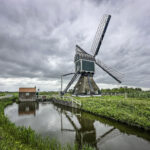
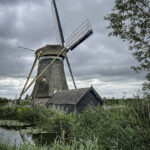
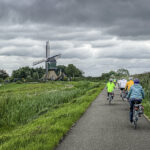
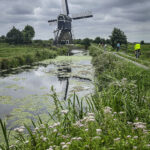
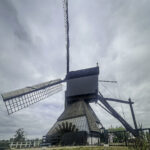
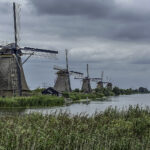
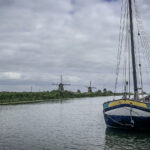
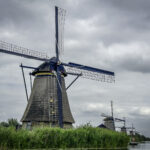
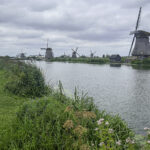
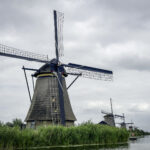
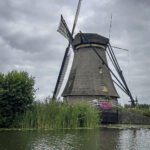
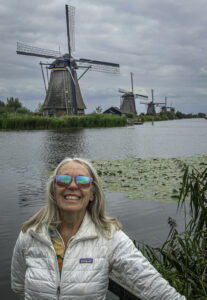 From Schoonhoven, we continued cycling toward one of the Netherlands’ most iconic landscapes—Kinderdijk. As the path opened up, the scenery became unmistakably Dutch: wide skies, green fields, canals shimmering in the light, and windmills appearing on the horizon. Soon we were standing before the unforgettable sight of 19 historic windmills, built in the mid-18th century as part of an ingenious water-management system. These windmills worked together to drain excess water and prevent flooding, protecting the low-lying land from the constant threat of the sea and river overflow.
Now a UNESCO World Heritage Site, Kinderdijk is a powerful reminder of the Netherlands’ long battle—and partnership—with water. Seeing the windmills up close, aligned in perfect harmony against the flat landscape, was both humbling and awe-inspiring. It was a perfect first cycling day: gentle riding, rich history, and a landscape that told the story of Dutch ingenuity at every turn.
Leaving the windmills behind, we cycled along lush green pathways bordered by waterways and grazing cattle, enjoying a peaceful ride to the small village of Alblasserdam. This final stretch felt especially tranquil, a chance to absorb the landscape and the rhythm of cycling in the Netherlands. In Alblasserdam, we boarded our barge once again, tired but exhilarated, and began sailing toward Willemstad. As the countryside drifted past from the deck, it was easy to reflect on a first day that perfectly blended gentle cycling, rich history, and the ever-present relationship between land and water that defines this remarkable country.
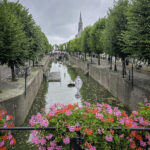
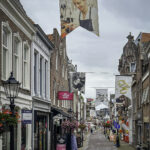
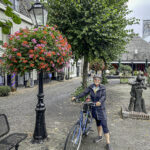
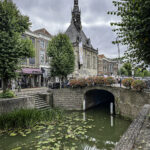
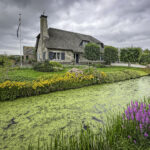
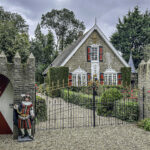
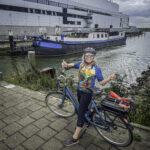
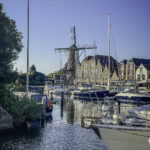
Our day began in Willemstad, a beautifully preserved fortified town best known for its striking star-shaped defenses, built in the late 16th century during the Dutch struggle for independence from Spain. Surrounded by moats and earthen ramparts, Willemstad feels almost untouched by time, its quiet streets and orderly layout reflecting centuries of military planning designed to protect this strategic waterway town.
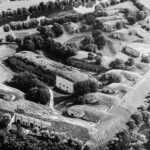
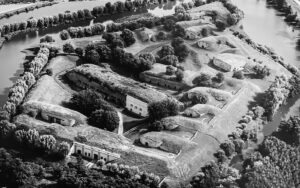 Before leaving Willemstad, we were joined by a local expert who led us to nearby Fort Sabina, an impressive fortress constructed in 1811 under Napoleon Bonaparte as part of a broader effort to strengthen defenses along the waterways of the southern Netherlands. Today, the fort sits peacefully within a 30-acre nature preserve, where wildlife and wetlands have reclaimed what was once a strictly military landscape—an evocative reminder of how history and nature often converge.
From there, we set off by bicycle toward Tholen, riding through open farmland, quiet villages, and long dikes that tell the story of life lived in constant negotiation with water. Along the way, we learned about the devastating North Sea Flood of 1953, when a combination of fierce winds and exceptionally high tides caused seawater to surge more than 20 feet above sea level, inundating large parts of Zeeland and Brabant. The former island of Tholen was nearly lost to the sea, and the 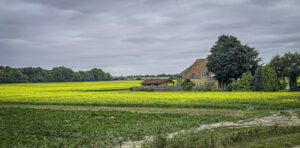 disaster forever reshaped Dutch approaches to flood control and water engineering.
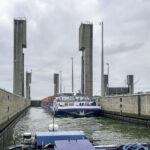
Arriving in Tholen, we found our barge waiting and enjoyed some free time to explore the town before boarding. Once underway, we crossed the international border as the barge cruised toward Antwerp, Belgium. A highlight of the journey was passing through the impressive Kreekrak Locks, an engineering marvel designed to limit freshwater loss and prevent the salinization of inland waterways—yet another example of the Netherlands’ sophisticated relationship with water management.
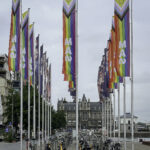
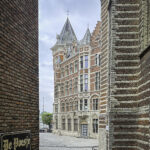
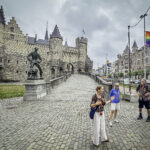
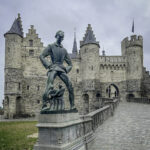
We arrived in beautiful, ancient Antwerp in the evening, where the barge would remain for two nights. After dinner, we joined ourLeaders for an evening stroll through the city, our first introduction to Antwerp’s vibrant streets, historic architecture, and lively atmosphere. It was a fitting close to a day that blended cycling, history, and engineering, and a perfect welcome to Belgium. Click on thumbnail to view images
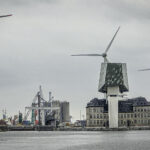
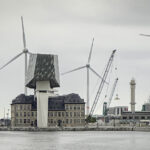
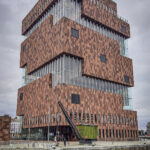
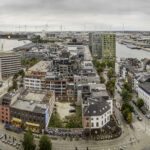
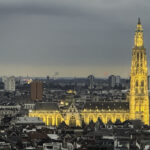
Today was devoted to exploring Antwerp, long celebrated as the diamond capital of Belgium and one of Europe’s great historic port cities. Our morning began with a walking tour with a local expert, who brought Antwerp’s layered history vividly to life, from its medieval origins to its golden age in the 16th century, when global trade, banking, and craftsmanship made it one of Europe’s richest cities.
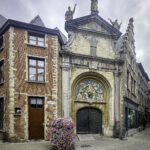
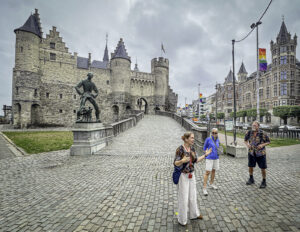 Our guided walk through the historic center revealed the city’s enduring legends and symbols. We also learned the charming Legend of the Teetotaler, a local tale often associated with Antwerp’s folkloric traditions, highlighting the city’s long-standing culture of storytelling and moral lessons woven into daily life. Not far away, we visited the ancient library housed within historic buildings, a reminder of Antwerp’s deep intellectual and scholarly heritage during the Renaissance, when printers, publishers, and thinkers helped spread knowledge across Europe.
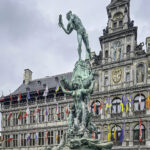
In the Grote Markt, we stood before the famous Brabo Fountain, depicting a young Roman soldier who, according to legend, slew the giant Antigoon and threw his severed hand into the River Scheldt—an act that gave Antwerp its name, hand werpen, meaning “to throw a hand.” Nearby, the ornate guild houses lining the square showcased the wealth and pride of 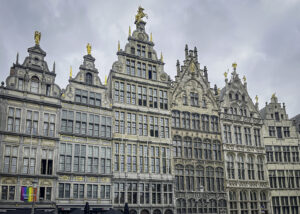 Antwerp’s powerful medieval trade guilds, their gilded façades reflecting centuries of mercantile success.
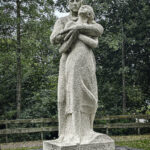
Scattered throughout the city are quieter, more emotional stories as well. We paused at the statue of Nello and his dog Patrasche, beloved characters from a 19th-century novel that became especially popular in Japan. The sculpture, placed near the cathedral, captures the tender and tragic bond between the boy and his loyal dog and has become one of Antwerp’s most touching landmarks.
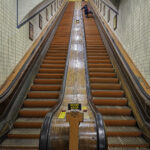
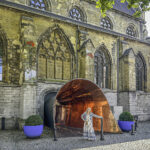
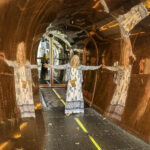
In the afternoon, some of us explored the St. Anna Tunnel, a pedestrian passage beneath the River Scheldt. Descending on its original wooden escalators, still in use since the 1930s, felt like stepping back in time. Emerging on the opposite bank offered a striking view back toward Antwerp’s skyline—one of the city’s most memorable and unexpected experiences. Click on thumbnail to view images
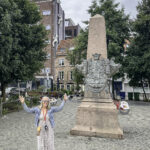
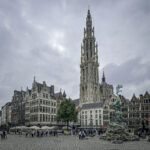
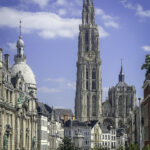
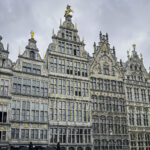
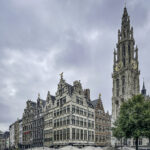
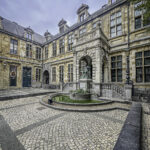
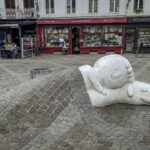
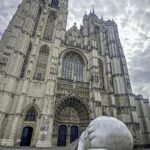
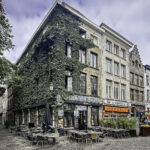
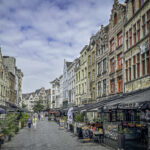
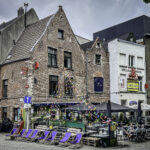
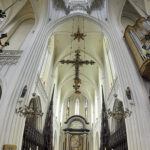
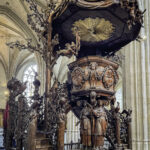
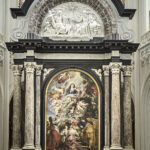
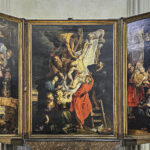
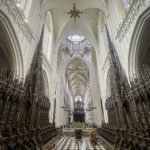
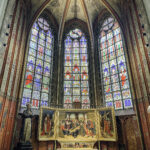
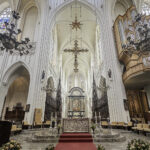
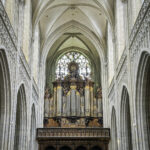
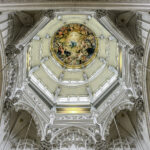
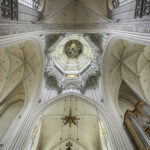
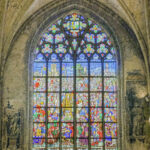
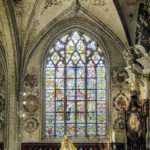
A major highlight of our time in Antwerp was our tour of the Cathedral of Our Lady, a towering masterpiece of Brabantine Gothic architecture and the largest 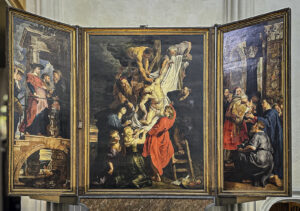 church in Belgium. Begun in the 14th century and completed over generations, the cathedral reflects the ambition and prosperity of Antwerp during its golden age as a center of trade and culture. Its soaring nave, intricate stonework, and luminous stained-glass windows create an atmosphere of grandeur and reverence that immediately commands attention.
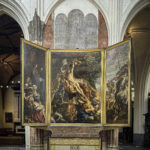
Inside, we admired several monumental works by Peter Paul Rubens, whose career was deeply intertwined with the city. Most striking was his dramatic masterpiece The Deposition, an emotionally powerful altarpiece that captures both physical weight and spiritual intensity through masterful use of light, movement, and expression. Nearby works such as The Elevation of the Cross further demonstrated Rubens’ influence on Flemish Baroque art and his lasting legacy within the cathedral. Click on thumbnail to view images
We departed Antwerp by barge along the busy Albert Canal, one of Belgium’s most important commercial waterways and a vital link between the port of Antwerp and 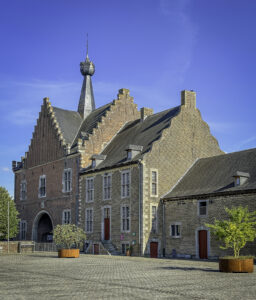 inland Europe. As we cruised inland, our Leaders explained how the canal’s sophisticated lock system regulates water levels, prevents flooding, and allows massive cargo vessels to move efficiently across the country. The journey offered a fascinating look at modern engineering in action. Gradually, the dense urban scenery of Antwerp gave way to the quieter landscapes of the Kempen region, an area characterized by open moors, pine forests, heather fields, and wide skies that felt calm and expansive.
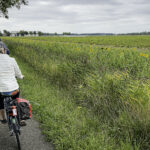
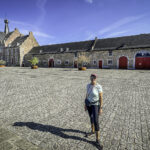
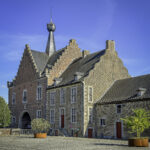
After lunch, we set out by bicycle, following peaceful trails that ran alongside the canal toward Hasselt. The flat terrain made for an easy, enjoyable ride, with long stretches of reflective water and green banks providing a tranquil backdrop. Along the way, we stopped at the Abbey of Herkenrode, an 800-year-old Cistercian site that once ranked among the most influential convents in the Low Countries. Guided by a local expert, we learned how generations of women governed the abbey over 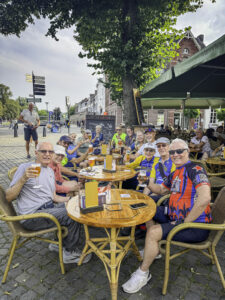 nearly 600 years, managing land, finances, and spiritual life with remarkable independence. Walking through the restored grounds and buildings offered insight into a lesser-known but powerful chapter of European history.
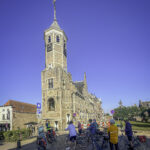
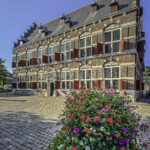
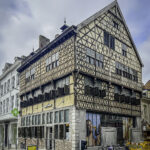
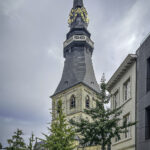
The next morning, we met a local historian who led us through Hasselt’s historic center, bringing the city’s layered past into focus. We visited the Cathedral of St. Quentin, originally founded in the 12th century, whose elegant 18th-century tower reflects later periods of rebuilding and architectural change. From there, we explored the Grote Markt, where beautifully preserved 17th-century patrician houses—bearing traditional names such as The Pelican and The Sword—line the square. These grand merchant homes spoke to Hasselt’s prosperity and civic pride during its trading heyday.
From Hasselt, we continued our journey toward Maastricht, pausing for lunch as the scenery subtly shifted toward rolling hills and river valleys. In the afternoon, we crossed the border back into the Netherlands and rejoined our barge in Maastricht, one of the country’s oldest cities and where we would spend a full day tomorrow. The day neatly tied together waterways and cycling, urban history and rural calm, and the enduring cultural connections that link Belgium and the Netherlands. Click on thumbnail to view images
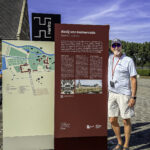
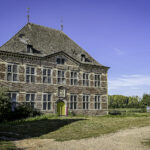
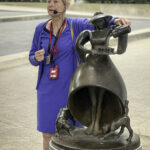
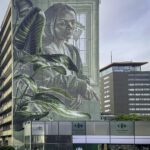

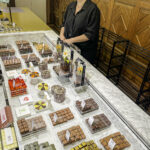
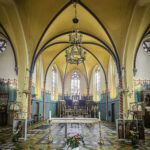
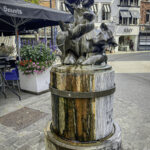
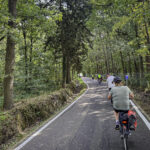
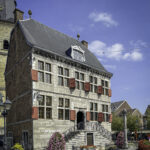
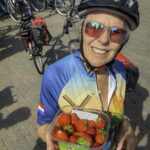
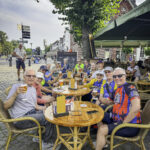
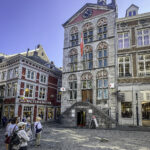
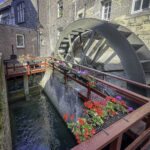
Our day in Maastricht proved to be one of the most memorable highlights of the entire journey—a city where layers of history, art, and everyday life come together in a wonderfully walkable setting. We began with a guided walking tour, learning how Maastricht—one of the oldest cities in the Netherlands—originated as a Roman river crossing on the Maas before evolving into a fortified medieval town and, eventually, a crossroads of European culture shaped by Dutch, French, and German i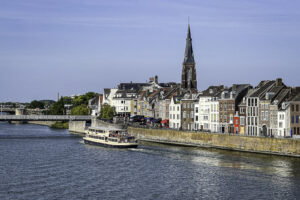 nfluences.
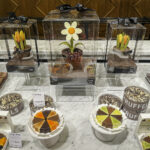
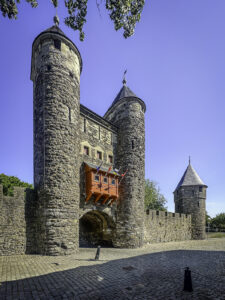
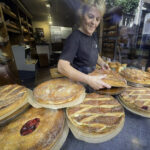
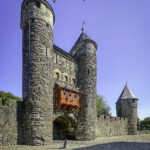
Early in the walk, we stopped at a local bakery to enjoy a slice of Limburg viaai, the region’s beloved fruit-filled pie. With its flaky crust and rich filling, it was a perfect taste of local tradition and a reminder of how deeply food is woven into regional identity. From there, we made our way to Hell’s Gate, the oldest surviving city gate in the Netherlands. Once a key point in the medieval defenses, it stands today as a powerful symbol of Maastricht’s long and often turbulent history.
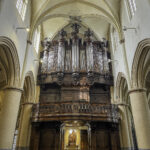
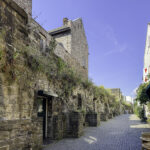
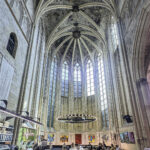
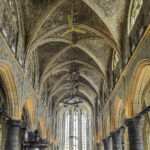
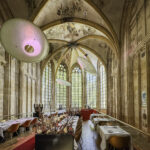
Continuing along the route, we explored sections of the old town wall, where preserved towers and stone ramparts still trace the medieval footprint of the city. Nearby, we stepped into the former Dominican Monastery and Church, now transformed into one of the most remarkable bookstores in Europe. The soaring Gothic interior—lined with shelves of books beneath vaulted ceilings—created a striking blend of sacred space and modern cultural life.
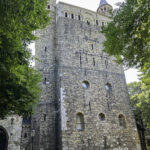
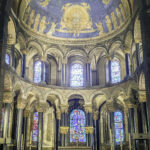
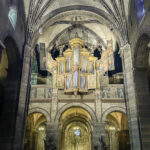
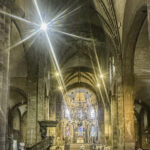
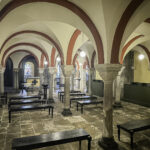
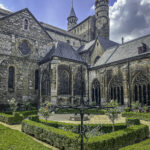
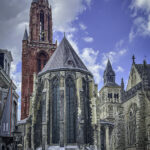
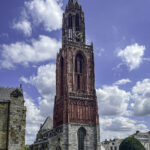
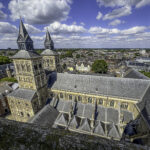
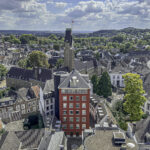
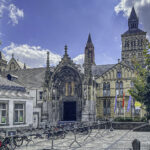
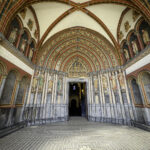
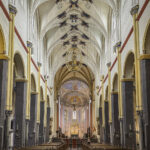
 Our journey through the city’s spiritual heritage continued at the Basilica of Our Lady, whose Romanesque architecture and softly glowing interior filled with candles offered a deeply atmospheric experience. Just across the square, we visited the Church of Saint John, instantly recognizable by its tall red tower, which adds a splash of color and distinction to Maastricht’s skyline. Climbing the tower rewarded us with sweeping panoramic views over Maastricht, the winding Maas River, and the surrounding countryside—one of the finest viewpoints in the city.
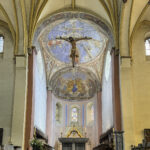
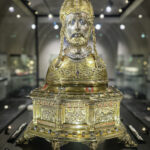
Next came the Basilica of Saint Servatius, the oldest church in the Netherlands and a major pilgrimage site for over a millennium. Inside, its treasury and ancient foundations spoke to centuries of devotion.
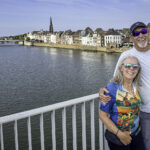
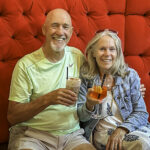
One of the most personal and meaningful moments of the day took place at the Kruisherenhotel Maastricht, a beautifully restored former monastery turned luxury hotel. Here, Patty and I paused to share a celebratory drink in honor of our 54th wedding anniversary, reflecting on the journey we had shared—both on this trip and over a lifetime.
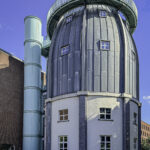
We ended the day at the Bonnefanten Art Museum, whose striking modern design along the river houses an impressive collection of contemporary and classical works. Returning to the barge afterward for a well-deserved drink and another excellent dinner, we both agreed that Maastricht stood out as one of our favorite stops—a city that seamlessly blended deep history, vibrant culture, architectural beauty, and unforgettable personal moments.Click on thumbnail to view images
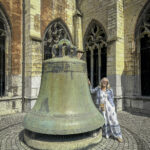
As we turn the page from Week 1 to Week 2 of our bike-and-barge adventure, it’s hard not to pause and appreciate just how special these first days have been. Cycling through the flat, scenic landscapes of Holland and Belgium proved to be both relaxing and great fun, with quiet canal paths, historic towns, and ever-changing scenery unfolding at an easy, unhurried pace. Each day blended just the right balance of learning, movement, and shared discovery.
Much of what made Week 1 so memorable was the wonderful team around us. Our guides, Pim and Ana, were exceptional—knowledgeable, encouraging, and always ready with stories, insights, and a smile. Equally impressive was the boat crew, whose warmth and professionalism made life aboard feel effortless, and the talented cooks, who consistently surprised us with delicious meals that became highlights in their own right.
With these experiences setting the tone, we’re excited to begin Week 2, as our route gradually carries us back toward Amsterdam. If the days ahead are anything like the first week, we know we’re in for more beautiful rides, fascinating places, and moments that will continue to make this journey one to remember.