
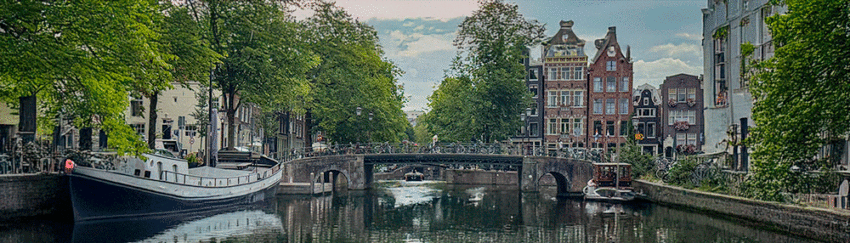
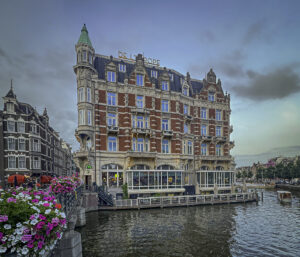
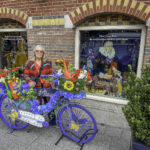
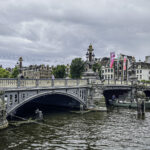
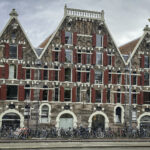
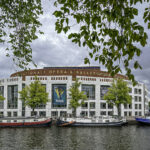
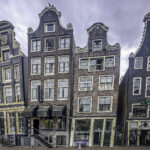
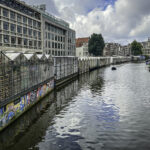
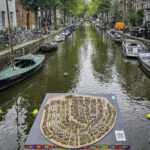
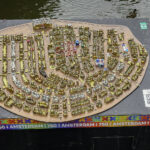
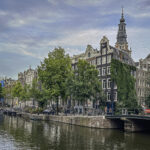
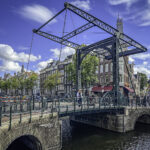
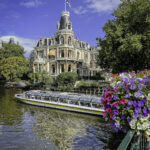
We were up early the next morning and set out on foot, wandering through a maze of canals and narrow streets, soaking in Amsterdam’s old-world atmosphere—arched bridges, leaning townhouses, and quiet waterways that define the city’s character. We paused for a leisurely brunch at the highly regarded Blushing Cafe, a lively spot known for its welcoming vibe and excellent food, before making our way to one of Europe’s great museums. Click on thumbnail to view images


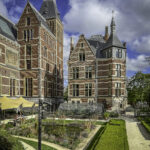
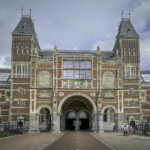
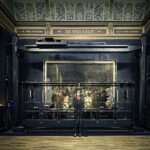
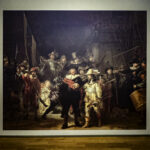
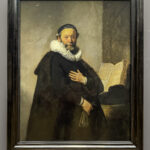
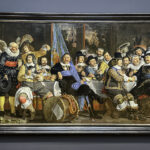
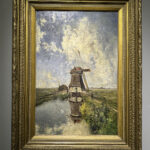
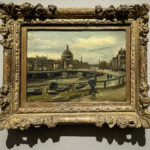
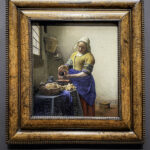
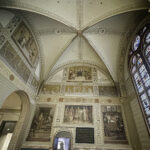
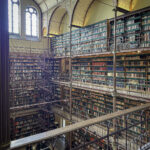
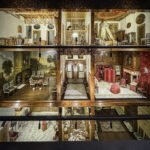
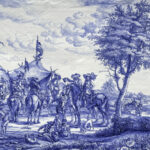
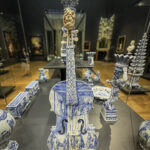
The Rijksmuseum, founded in 1800 and housed since 1885 in its grand neo-Gothic building designed by Pierre Cuypers, is the national museum of the Netherlands and 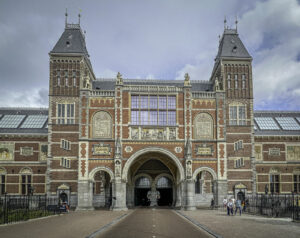 a showcase of Dutch art and history. Touring its galleries was a highlight of the trip. We marveled at masterpieces by Rembrandt, Vincent van Gogh, Johannes Vermeer, Frans Hals, and Jan Steen, each offering a window into the richness of Dutch Golden Age art and beyond. Watching the ongoing restoration of Rembrandt’s The Night Watch was especially fascinating—seeing conservators at work on one of the world’s most famous paintings brought the museum’s living scholarship to life. Other memorable exhibits included the exquisitely detailed miniature dollhouses, once symbols of wealth and craftsmanship, and the atmospheric Cuypers Library, whose soaring shelves and quiet grandeur felt like stepping into another era.
After such a full and inspiring day, we returned to our hotel for dinner, reflecting on all we had seen. It was the kind of day that reminds you why Amsterdam is so compelling—layered history, world-class art, and an atmosphere that invites both wandering and wonder—followed by a deeply satisfying night’s sleep. Click on thumbnail to view images
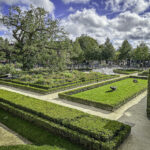
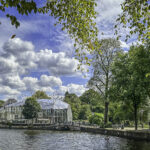
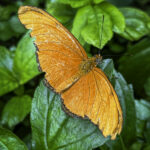
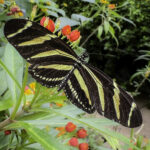
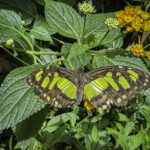
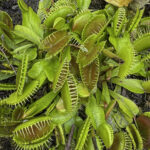
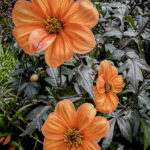
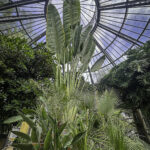
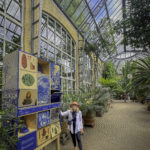
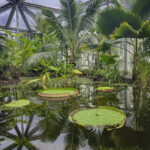
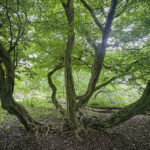
The next morning, we set out on foot to visit the Hortus Botanicus Amsterdam, one of the oldest botanical gardens in the world, founded in 1638. Originally created to supply medicinal plants for doctors and apothecaries, the Hortus soon became deeply connected to the Dutch Republic’s global reach. As merchants and explorers returned from Asia, Africa, and the Americas during the Golden Age, they introduced exotic species that were cultivated and studied here—many of them entirely new to Europe at the time. Walking through the gardens today feels like stepping into a living archive of scientific discovery, where centuries of botanical knowledge coexist with modern conservation efforts. Historic glasshouses shelter tropical palms and rare cycads, while quiet pathways wind past lily ponds, ancient trees, and carefully tended beds that offer a peaceful retreat from the city’s bustle. Click on thumbnail to view images
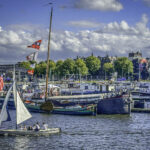
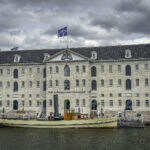
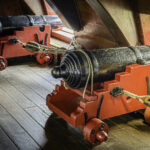
From the calm of the Hortus, we made our way back toward the harbor for a visit to the National Maritime Museum, housed in the grand former Dutch Admiralty Arsenal, built in 1656. The building itself is a powerful symbol of Amsterdam’s maritime dominance, constructed at a time when the Dutch navy ranked among the 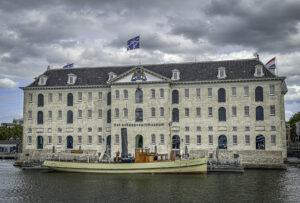 strongest in the world. Strategically positioned on the waterfront, the arsenal once stored sails, cannons, weapons, and provisions for warships, playing a vital role in safeguarding Dutch trade routes and overseas interests during the height of the Golden Age. Its imposing symmetry, massive stone walls, and spacious central courtyard reflect the confidence, wealth, and ambition of a nation whose prosperity was tied to the sea.
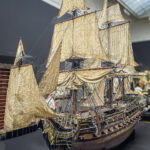
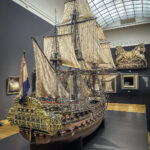
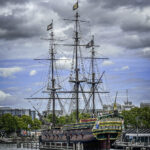
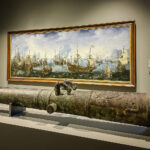
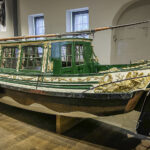
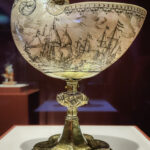
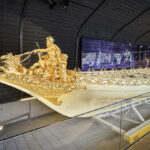
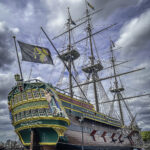
Inside the museum, exhibits vividly trace the Netherlands’ long and complex relationship with maritime life—from early exploration and navigation to naval warfare, global commerce, and the realities of daily life aboard ship. Detailed maps, intricate ship models, navigational instruments, and interactive displays bring to life the skills and risks faced by sailors who connected Europe with Asia, Africa, and the Americas. Moored just outside the museum is a full-scale replica of an 18th-century East Indiaman, which visitors can board to experience the cramped quarters, towering masts, and sheer scale of vessels that once carried cargo, crews, and ambition across the world’s oceans. Together, the exhibits and setting offer a vivid sense of how deeply the sea shaped Amsterdam’s rise as a global power. Click on thumbnail to view images
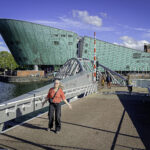
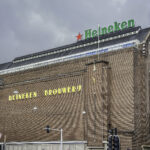
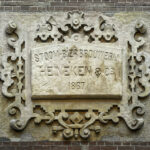
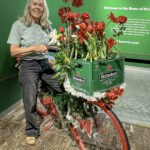
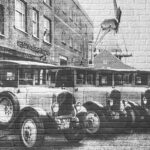
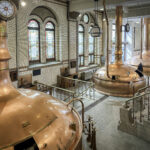
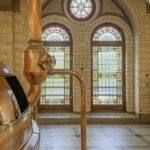
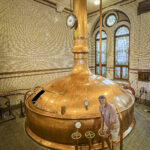
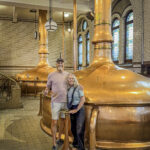
The next morning, we set out on foot for a visit to the Heineken Brewery, one of Amsterdam’s most recognizable landmarks and a cornerstone of Dutch brewing 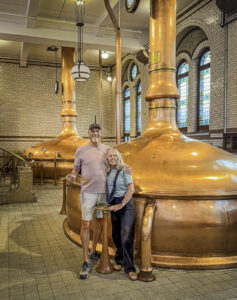 history. Founded in 1864 by Gerard Adriaan Heineken, the company began as a small local operation and, through innovation and consistency, grew into one of the world’s most influential and widely recognized beer brands. The historic brewery building—now home to the Heineken Experience—no longer produces beer, but it offers a lively, immersive tour that traces the evolution of the brand from its 19th-century origins to its modern global reach.
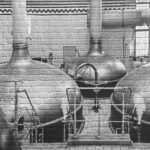
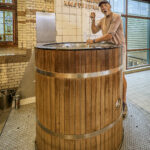
Moving through the former brewing halls, we learned about traditional brewing techniques, the development of Heineken’s carefully guarded yeast strain, and how advances in refrigeration and quality control helped standardize beer production worldwide. The exhibits blended history with hands-on features, vintage equipment, and multimedia storytelling that brought the brewery’s past vividly to life.
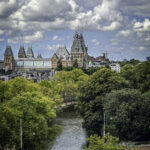
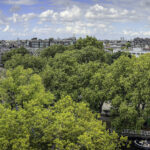
One of the highlights came at the end of the tour, when we made our way to the rooftop welcome bar, where we enjoyed a tasting while taking in expansive views across Amsterdam’s rooftops and canals. From that elevated perch, the city stretched out in every direction—a perfect setting to reflect on how a neighborhood brewery grew into a global icon. It was an engaging and enjoyable visit, combining heritage, innovation, and a uniquely Amsterdam perspective. Click on thumbnail to view images
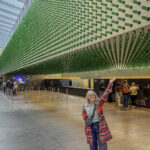

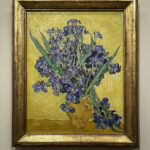
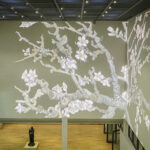
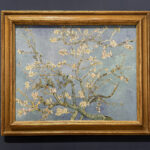
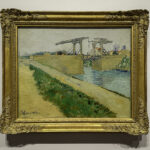
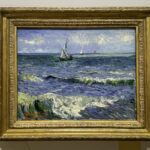
From there, we walked to the nearby Van Gogh Museum, a highlight we had been eagerly anticipating. Opened in 1973, the museum houses the world’s largest 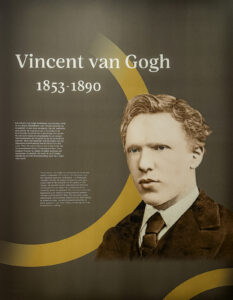 collection of works by Vincent van Gogh, offering an extraordinary window into his short, intense, and profoundly influential life. Though Van Gogh painted for only about ten years and sold very little during his lifetime, he produced more than 2,000 artworks, including around 860 paintings, radically shaping the course of modern art.
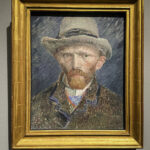
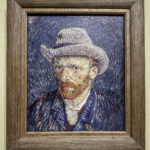
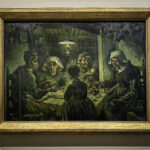
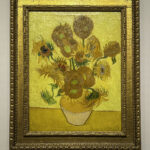
The galleries trace his development from the early, dark-toned works created in the Netherlands—scenes of peasants and laborers influenced by realism—to the explosion of color and expressive brushwork of his later years in Arles, Saint-Rémy, and Auvers-sur-Oise. Seeing masterpieces such as Sunflowers, The Bedroom, and his many self-portraits up close was deeply moving, revealing not only his evolving technique but also his intense emotional world.
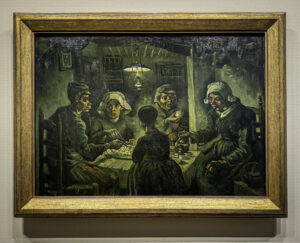
Equally powerful were the displays of letters to his brother Theo, along with personal materials that illuminate Van Gogh’s struggles with mental health, poverty, and isolation, as well as his unshakable belief in the importance of art. The museum’s thoughtful layout made it easy to follow his journey chronologically, allowing us to experience his growth not just as an artist, but as a human being searching for meaning and expression.
Afterward, we wandered back toward our hotel at an unhurried pace, choosing streets that carried us through the heart of old Amsterdam. Along the way, we stopped for dinner, enjoying a relaxed meal as canal boats slipped past, bicycles whirred by, and evening light reflected off the tall, narrow houses. The walk back was a pleasure in itself—soaking in the sounds, movement, and atmosphere of a city that feels timeless yet vibrantly alive. Click on thumbnail to view images


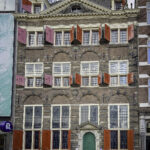
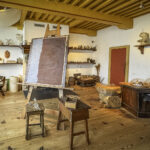
On our last day in Amsterdam, we visited the Rembrandt House, located in the beautifully restored house where Rembrandt lived and worked from 1639 to 1658, at the height of his fame. During these years, Rembrandt was one of the most sought-after portrait painters in the Dutch Republic, attracting wealthy patrons and students from across Europe. He purchased the large canal house in what was then a thriving artistic and Jewish quarter, using it as both a family home and a 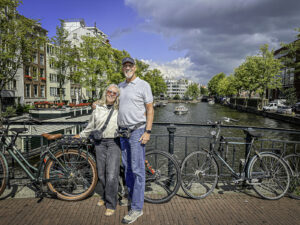 studio filled with pupils, clients, and an extraordinary collection of objects.
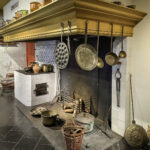
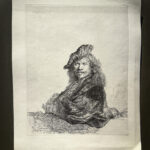
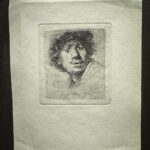
Inside, the house offers a vivid glimpse into 17th-century Amsterdam and Rembrandt’s daily life. Rooms have been carefully reconstructed based on a detailed inventory made when Rembrandt went bankrupt in 1656, revealing his fascination with exotic artifacts, costumes, weapons, and natural curiosities, many of which appeared in his paintings. Demonstrations of traditional etching and painting techniques showed how he worked, while the intimate scale of the house made it easy to imagine him teaching students, receiving patrons, and experimenting with light and shadow in his studio.
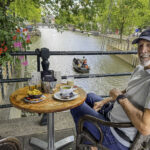
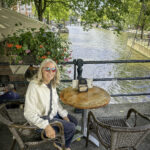
To finish our stay, we wandered through some of Amsterdam’s quieter backstreets, enjoying the slower rhythm away from the main thoroughfares. We settled into a café beside a canal for a pleasant lunch, watching canal boats glide beneath the bridges and feeling fully immersed in the city’s everyday life. It was a gentle and satisfying way to close our time here. Click on thumbnail to view images
As our time in Europe drew to a close, it was hard not to feel a deep mix of gratitude and nostalgia. We were sad to see this wonderful summer adventure come to an end, knowing how rare and special it is to have the time and freedom to explore so many remarkable places in one journey.
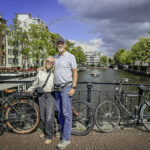
Looking back, the memories stretch across continents and centuries—beginning in Egypt, standing before the timeless monuments along the Nile; continuing through the beauty and history of Italy, Spain, Portugal, and France; then north to Scotland, where our journey was made even richer by the warmth, laughter, and generosity of Maggie and Gordon, whose friendship turned our visit into something truly personal and unforgettable. Ireland added another deeply meaningful chapter—wild landscapes, ancient stories, and the joy of reconnecting with Terri and Mark after so many years. And finally, our time cycling through the waterways and countryside of the Netherlands and Belgium gave us a perfect closing chapter—unhurried, scenic, and filled with shared moments, new friends, and daily discoveries.
This journey gave us more than photographs and passport stamps. It gave us lasting memories, renewed friendships, and countless small moments—meals shared, paths walked, stories heard, and sunsets watched—that will stay with us far longer than the miles we traveled.
Now we look forward to returning home, to seeing family and friends, sharing stories, and carrying a little piece of this adventure back into everyday life. And even as this chapter closes, we’re already smiling at the thought of what lies ahead—excited for what 2026 will bring and for wherever the next road may lead.